

Buying and selling gold is a key stream of business for jewelers, pawnbrokers, scrap buyers, and more. But now more than ever, bad actors are looking for unique ways to scheme the precious metals market. Some counterfeits may look extremely convincing, and some even contain real gold – albeit much less than their markings suggest. In today’s market, every piece of jewelry, coin, or gold bar should be verified and double checked to ensure its legitimacy.
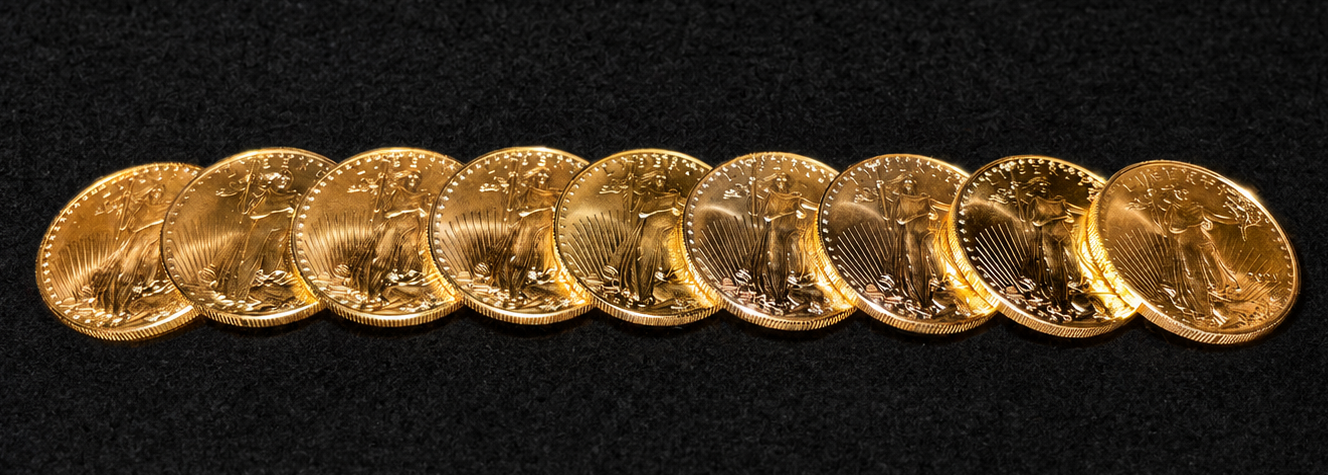
Knowing how to identify fake gold can help protect your business from overpaying for items that aren’t what they seem. Recognizing warning signs and using reliable testing methods are critical when evaluating the presence of fake gold jewelry and bullion. Given the immense value of precious metals today, making an error at this verification stage could be extremely costly for any business that relies on trading the physical material.
Common Warning Signs of Fake Gold Jewelry
Fake or misrepresented gold jewelry can be difficult to spot, especially when it looks similar to genuine pieces. It’s worth noting that one warning sign might be applicable to a certain piece of jewelry, but useless when analyzing another. Here are some of the several warning signs to consider as you analyze different pieces:
Discoloration or Wear
Fading or exposed metal beneath the surface may indicate gold plating (vs. solid karat gold). Although gold is commonly alloyed with other metals (silver, nickel, palladium, etc.) and coated with rhodium, the underlying material should remain consistent or similar to the exterior color. While this is a helpful tip, there are plenty of exceptions to this rule – so other testing methods must be used to further verify authenticity.
Unusual Weight
Gold is a heavy precious metal, especially to those who aren’t used to holding it. If something feels too light to be true, there is a good reason to question its authenticity. An item that feels too light or heavy for its size may deserve a closer look.
Incorrect or Suspicious Markings While it’s not a requirement, having accurate karat stamps are a helpful factor in verifying gold purity content. Incorrect or inconsistent karat stamps will undoubtedly raise concerns. Genuine gold jewelry isn’t always stamped, and counterfeit pieces can carry convincing markings. Magnetic attraction Gold itself isn’t attracted to ordinary magnets, so a strong magnetic reaction may indicate a larger presence of non-precious metals. Common magnetic metals that you might find in jewelry include iron, steel, nickel, and cobalt. | 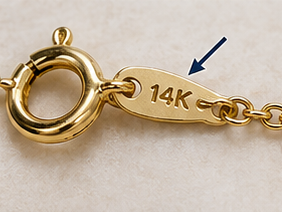 |
Sound & Smell
In some cases, it can be helpful to follow your natural senses like sound and smell. Dropping a piece of gold jewelry should sound full, firm, and satisfying with a high-pitched ringing sound. Non-precious metals like tin, iron, lead, etc. produce a noticeably dull and flat tone.
If something contains a healthy dose of iron, your nose can usually pick up on it as well. Rubbing iron with your bare hands causes a chemical reaction that releases a classic “metallic” smell. This scent cannot be created if real gold scrap is rubbed the same way.
Gold-Plated & Gold-Filled
It’s also important to understand the difference between solid karat gold, gold-filled, and gold-plated jewelry. Gold-filled and gold-plated pieces have gold applied over another metal, but their overall gold content differs significantly from solid karat gold jewelry.
These warning signs can help you quickly rule out some counterfeit candidates, but identifying fake gold will require multiple steps and further professional testing methods to be 100% certain.
Warning Signs to Identify Fake Gold Bullion
Counterfeit gold bars and coins can be especially difficult to identify because they’re often made to resemble genuine products. When examining bullion, there are numerous things to pay attention to:
Weight & Dimensions
Compare the item against official specifications from the mint or manufacturer. For example, the U.S. Mint’s American Eagle Gold Bullion specifications provide official weights, dimensions, and compositions for comparison.
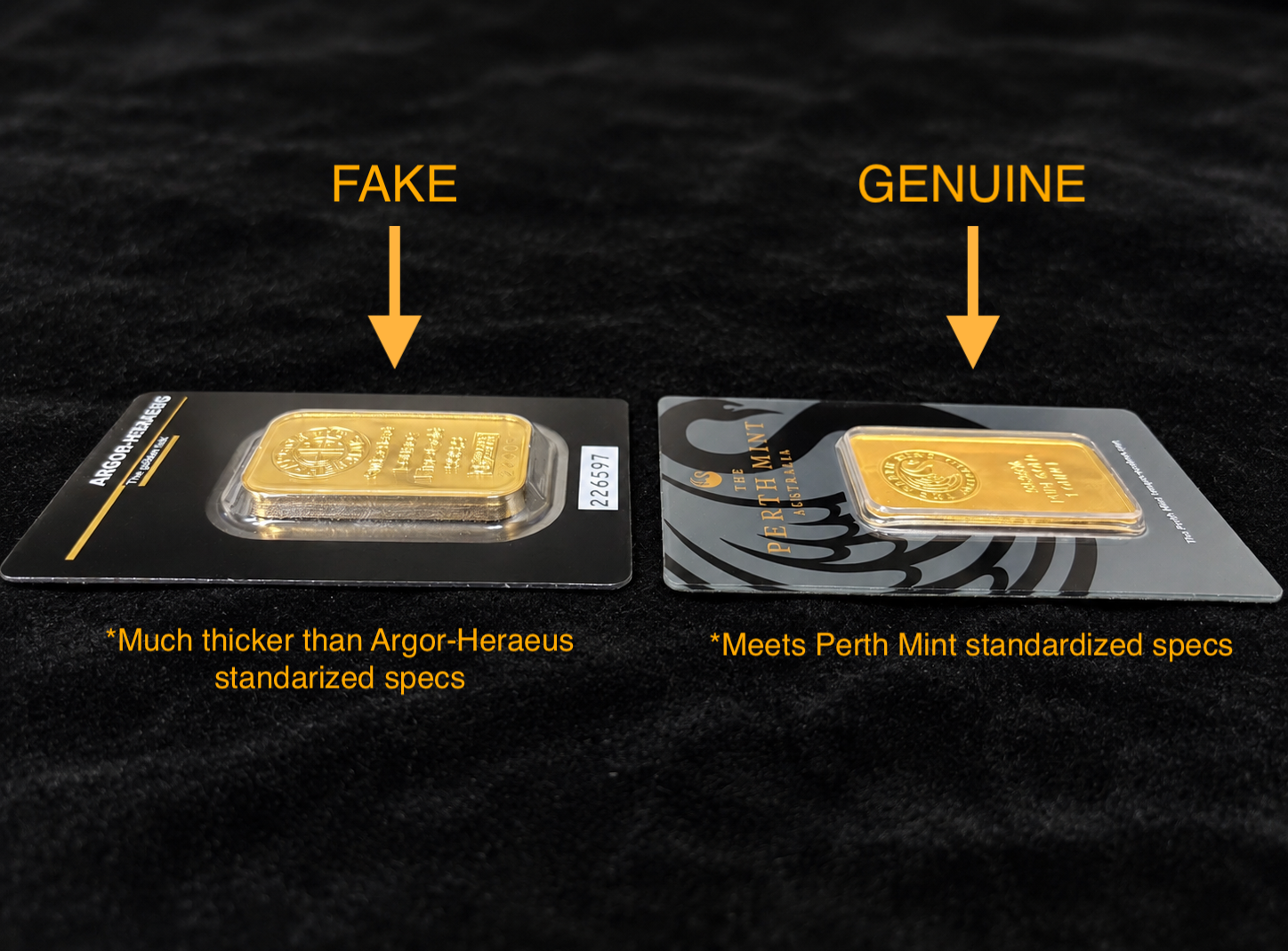
Check logos, serial numbers, and packaging for inconsistencies. Many times, there are known features associated with genuine packaging that counterfeit copies can’t replicate. Also, make sure to look for any signs of tampering in the packaging or evidence that any carded case has been opened before. Ensure that you do your research and know how the brand professionally inscribes and packages their products. Surface Details Look for unusual finishes, lettering, flaws, and other unusual design features. Many times, counterfeit pieces will forego an important detail in the design or a unique characteristic in the product itself. Any noticeable signs of damage should be closely analyzed, as this can indicate tampering or a production flaw that genuine products aren’t usually subject to. |
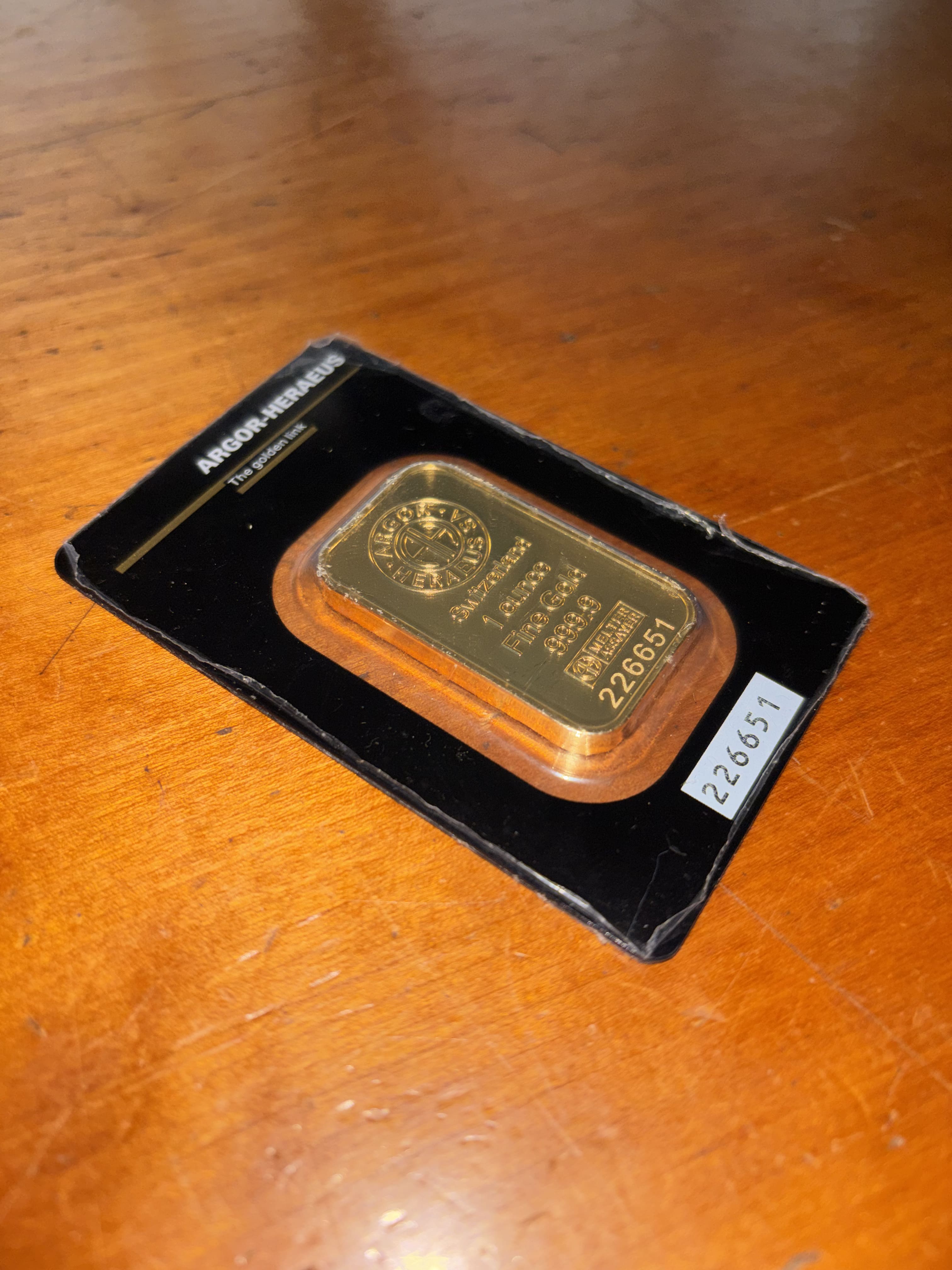 |
Gold Testing Methods: What Works and What Doesn’t?
Confirming the correct weight & other specifications still doesn’t guarantee any piece of jewelry or bullion is the real thing. For this reason, utilizing industry-backed testing tools is just as important as recognizing the initial warning signs. For example, counterfeit bullion can contain other metals beneath a pure gold exterior – which results in many warning signs going undetected. Here are some more conclusive testing methods that are common when analyzing gold authenticity:
Acid Testing
A touchstone acid kit is one of the most common and cost-effective solutions to analyze gold-bearing material. This method works by scratching the material on a touchstone and dropping different strengths of nitric acid onto the scratched sample of material. The idea is to analyze the strength of the reaction when different acids are used on a given scratch sample.
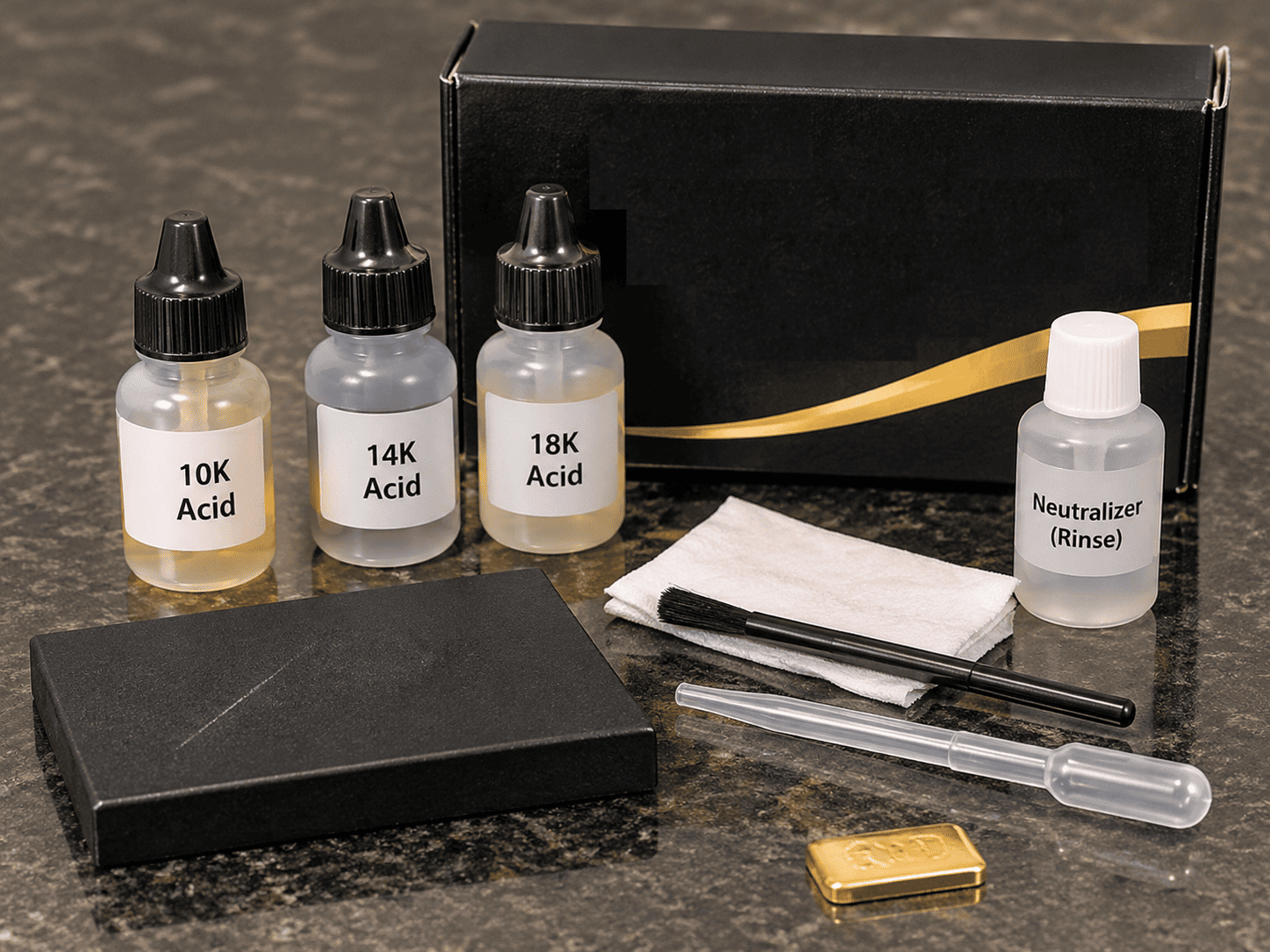
Proper acid testing techniques will effectively help you estimate karat purity, although plating and improper use can negatively affect the accuracy of results. Learn more about how to test gold with acid and you can start buying and testing gold-alloyed jewelry with confidence.
Magnet Testing
One of the simplest tests only requires a small neodymium magnet and is undoubtedly one of the quickest non-destructive methods used today. It’s best to use a small magnet, so you can effectively test different parts of the material. For example, the clasp of a necklace might react to a magnet, but the chain may not.
Magnet testing can quickly and efficiently reveal the presence of non-precious metals, but a piece that doesn’t react to a magnet isn’t conclusively real gold as many counterfeit metals are nonmagnetic as well.
Weight & Density Testing
A mathematics-based method includes the calculations of mass, volume, and density to determine the weight and density of a particular piece. Weight and density testing can identify inconsistencies, particularly in bullion, but cannot confirm purity on its own.
Simply measure the mass (in grams) and find the relative volume (in cubic centimeters) to calculate density. Pure gold has a density of roughly 19.32 (g/cm3).
Approximate Material Densities | |
| Material | Density(g/cm3) |
| Pure gold(24K) | 19.32 |
| 22K gold | 17.5-18.5 |
| 18K gold | 14.7-16.0 |
| 14K gold | 12.5-14.5 |
| 10K gold | 11.0-13.0 |
| Brass | 8.3-8.7 |
| Copper | 8.96 |
| Sterling silver | 10.3-10.4 |
| Stainless steel | 7.7-8.1 |
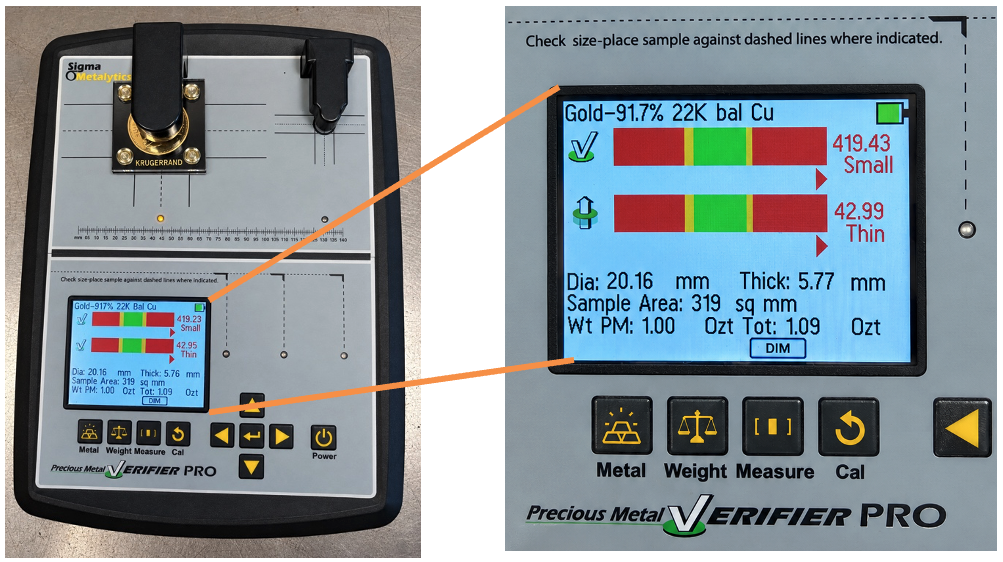
The Sigma Metalytics precious metals verifier helps confirm the authenticity of minted bullion coins and bars by checking whether their electromagnetic characteristics fall within the expected range for that specific product. It doesn't identify the metals present or measure their exact composition; however, it effectively compares the product’s conductivity to that of the expected material. The Sigma verifier is used by many bullion dealers, jewelers, and pawnshops as an additional tool for verifying genuine bullion.
|  |
This reading confirms this Krugerrand is fake |
XRF Analysis XRF (X-ray fluorescence) tools determine the specific elemental composition of a metal without damaging the item. However, because XRF primarily measures the surface layer (a few microns deep), it may not detect metals hidden beneath thicker plating. Not to mention, XRF machines are costly and cannot conclusively determine gold content or purity of the entire piece in question. XRF is useful for quick evaluations, but more detailed analyses, such as Fire Assay, may be needed to determine the actual precious metal content. | 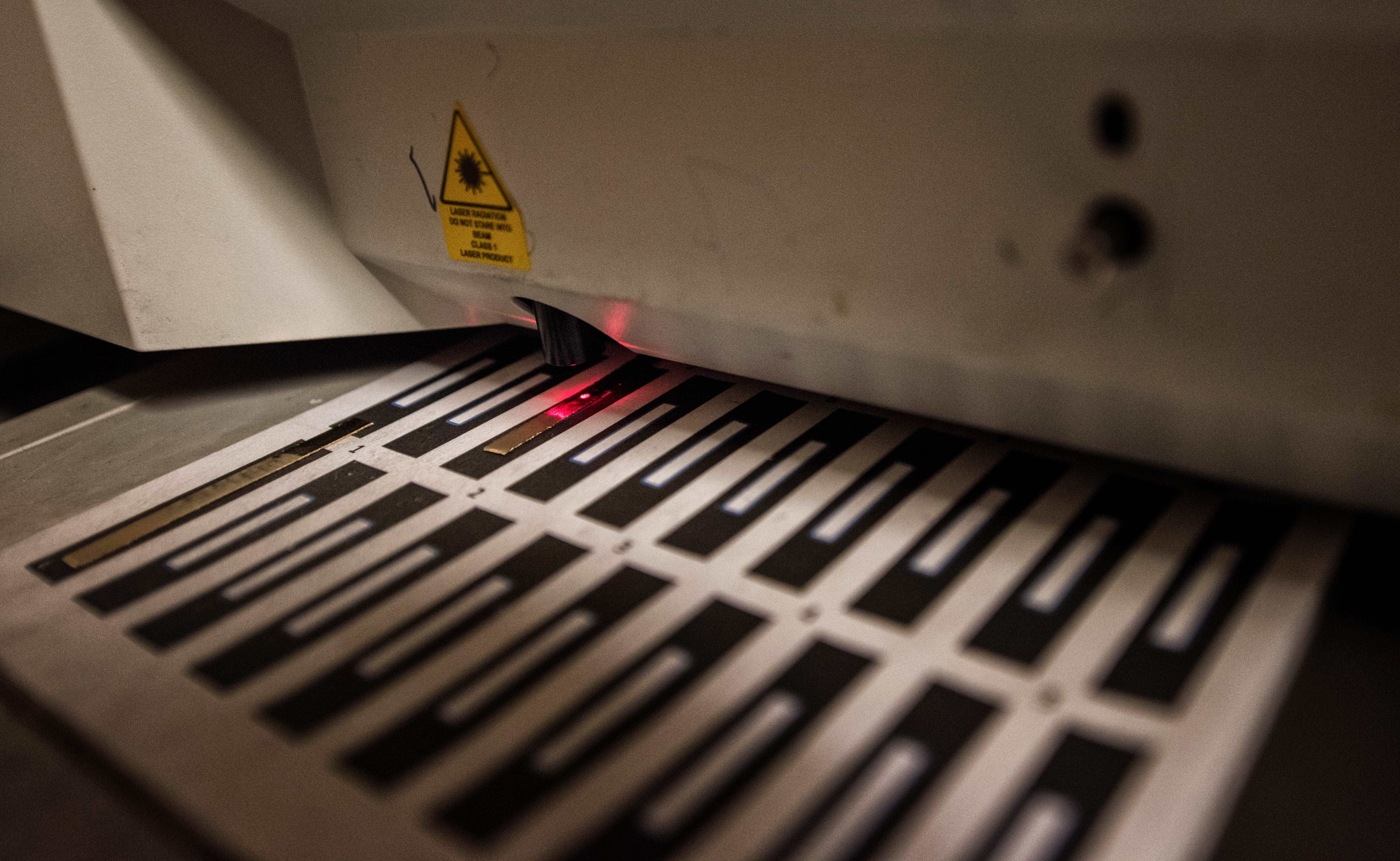 |
What Doesn’t Work
There are various at-home methods that anyone can try to assess the presence of real gold. Included but not limited to:
- Toothpaste test
- Skin discoloration test
- Vinegar and/or bleach tests
- Torch test
- And more…
Home remedies aren’t reliable substitutes for professional methods and should never be considered a useful test to determine gold content in any piece of jewelry or bullion product.
When Gold Purity Testing Matters Most
Even when an item passes basic checks, its actual gold content may still be uncertain. That’s where professional gold purity testing becomes important. There’s a difference between confirming that an item contains gold and determining how much gold it contains. Even the most professional chemical laboratories and trained chemists use numerous methods to measure precious metal content.
Sometimes an item contains both real gold and non-gold materials. Although the full material composition might be unknown, many times the item still has refining value – There’s no need to discard mixed-material scrap. Mid-States’ gold refining services use professional testing and fire assay to determine the precious metal content.
Protecting Your Business Through Accurate Gold Testing
Knowing how to identify fake gold helps jewelers and pawnbrokers avoid costly purchases and better estimate their expected returns. Visual inspections, hallmark checks, and basic tests can reveal potential problems, but no single method tells the whole story. Effective counterfeit gold detection often requires using multiple testing methods. Testing your scrap before sending it to a refiner helps set realistic settlement expectations. When you know what to expect out of your material, it puts you on common ground with your processor. At Mid-States, we focus on careful sampling, x-rays, and fire assays to uncover the true gold content of any refining lot. This transparency helps our customers have a clearer understanding of the value of their material. | 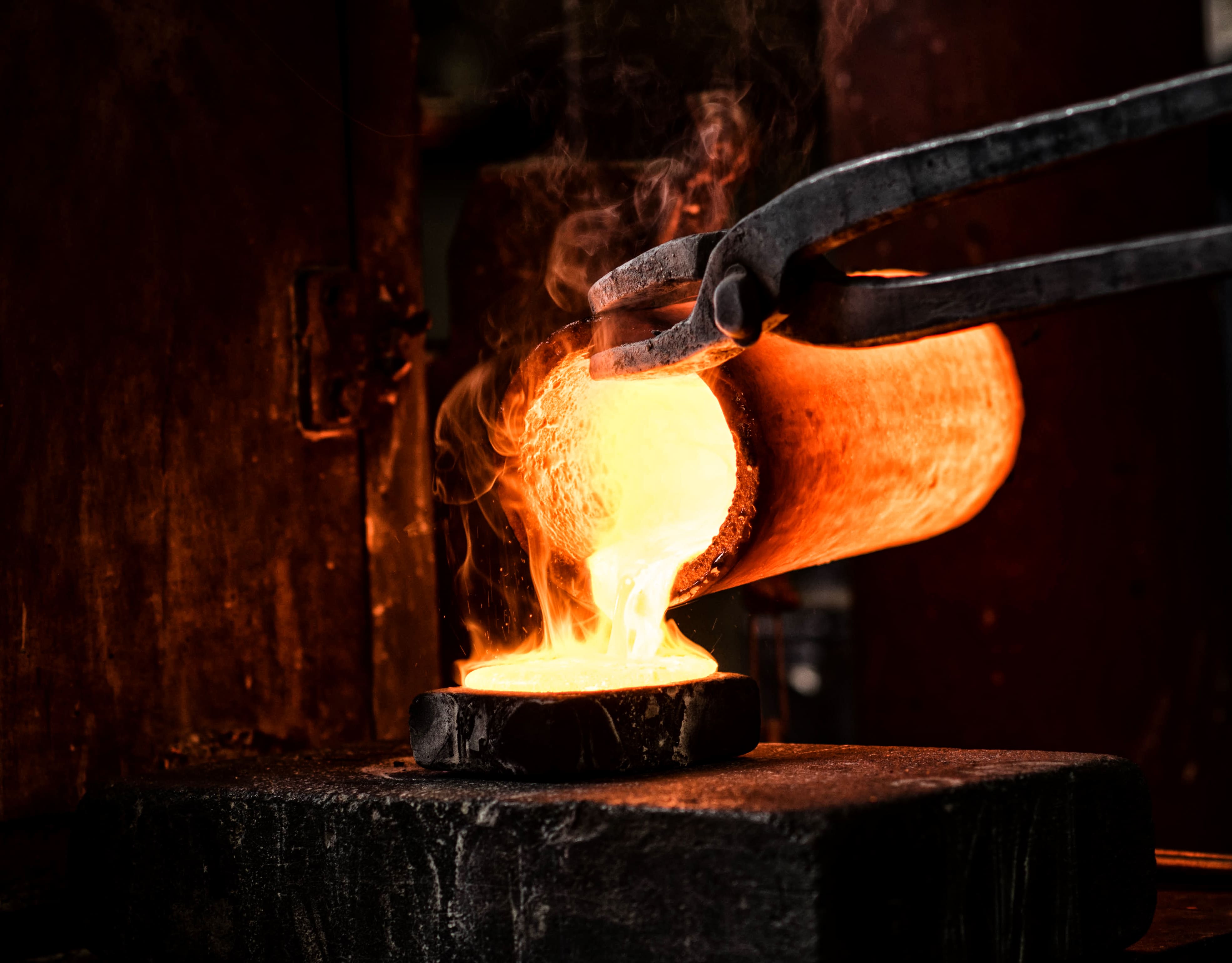
|


