
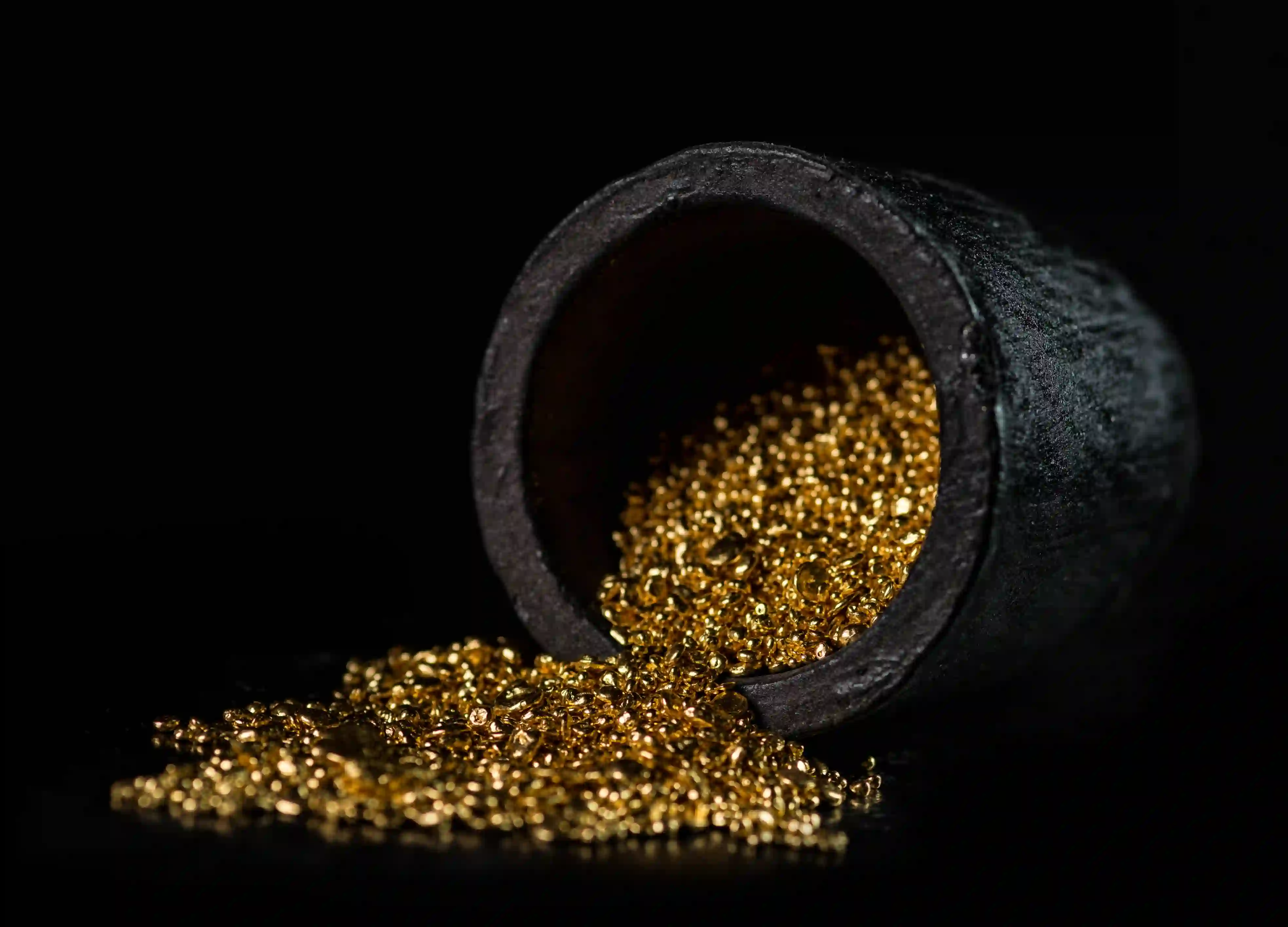
Gold and silver have been valuable commodities for centuries, and they’re likely to remain important for years to come. While prices may rise and fall in the short term, several long-term trends are helping shape the future of precious metals.
Emerging technologies, industrial demand, and even economic uncertainty are a few of the key factors that can influence how gold and silver are used, bought, sold, and recycled. Not to mention, understanding the limited supply of these natural resources creates scarcity that other types of investments aren’t subject to. For jewelers and pawnbrokers who work with precious metals every day, understanding these trends can help provide valuable market insight.
Gold’s Future: Why Demand Remains Strong
Gold has long been considered a safe place to store value. When the economy feels uncertain, inflation rises, or financial markets become volatile, many investors and institutions turn to gold. Central banks around the world have also continued adding gold to their reserves in recent years. This ongoing demand helps reinforce gold’s importance in the global market.
No one knows exactly what the future price of gold will be. However, factors such as inflation, interest rates, economic conditions, and central bank buying are likely to continue influencing gold demand outlook for the near-term future. While market conditions will always change, gold’s reputation as a trusted store of value has helped it remain important through many different economic cycles.
One thing that helps justify the value of gold is its inherent scarcity. As of early 2026, the U.S. Geological Survey estimates that humanity has only discovered about 245,000 metric tons of the precious metal. When you put this into perspective and consider emerging tech’s critical need for these materials, that amount is very limiting. This inherent scarcity paves the way for rising prices in a world where demand will greatly outpace supply.
Silver’s Future: Growing Industrial Importance
Silver is unique because it’s heavily relied on in both commercial and industrial settings. In addition to jewelry and investment products, silver is found in electronics, medical equipment, solar panels, and many everyday technologies.
As the world continues to invest in renewable energy, electric vehicles, and advanced electronics, the future of industrial silver demand remains very strong. This growing demand could play an important role in the silver price in the future. Unlike gold, silver’s value is often influenced by both investor demand and industrial use.
As new technologies continue to develop and uncertainty rises, silver is expected to remain an important material across many industries.
Supply Challenges and the Growing Importance of Recycling
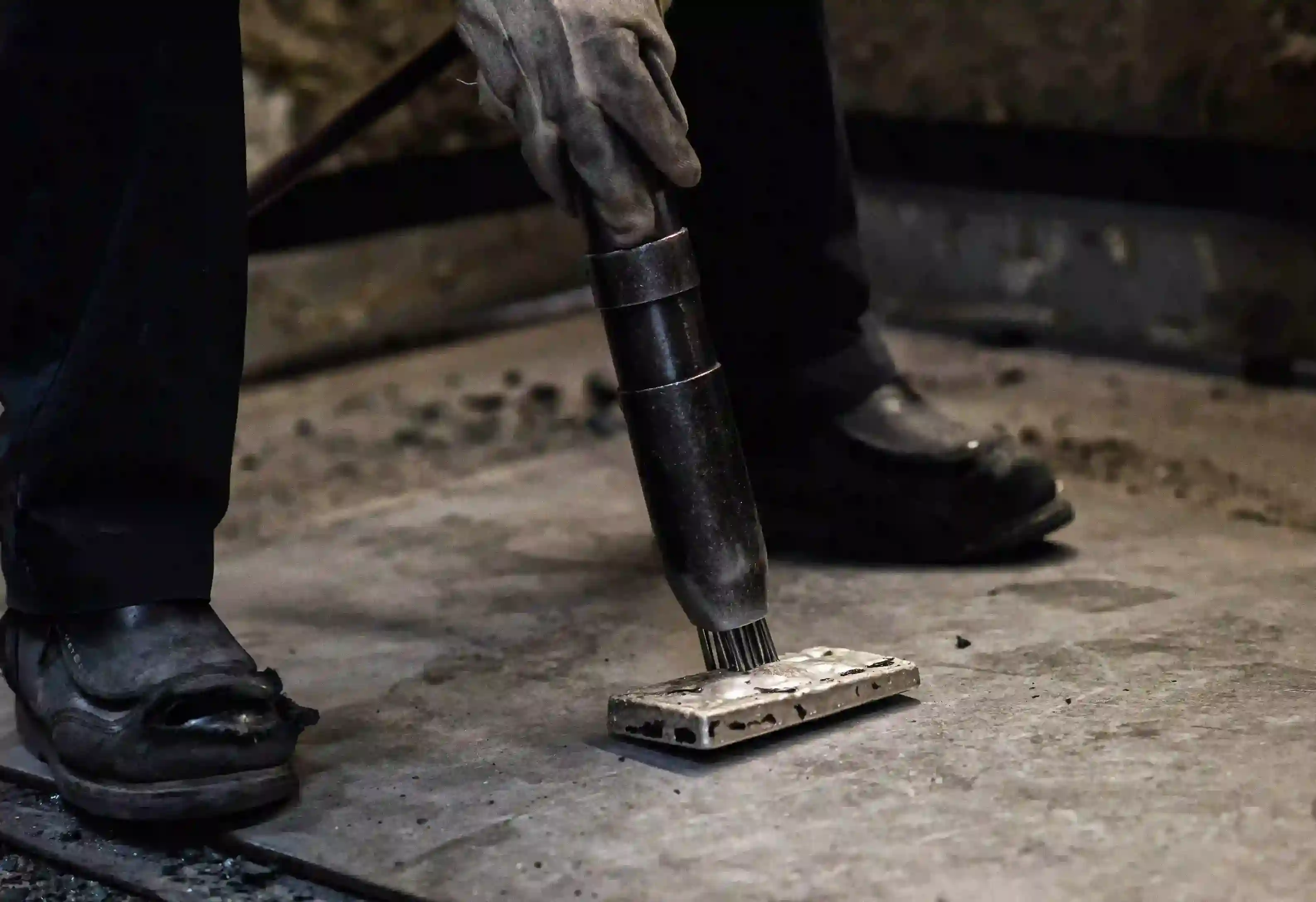
Meeting future demand for precious metals isn’t always easy. Opening new mines and increasing production can take years. That’s one reason why gold refining and silver refining remains a critical role in the broader precious metals industry. Precious metal refiners help recover valuable gold, silver, platinum, and other platinum group metals from jewelry scrap, manufacturing byproducts, etc. These recovered metals can then be returned to the supply chain and used again. As demand grows, recycling helps provide an additional source of precious metals while making the most of existing resources. For businesses that generate precious metals scrap, refining offers an opportunity to recover value from materials that might otherwise sit unused. | 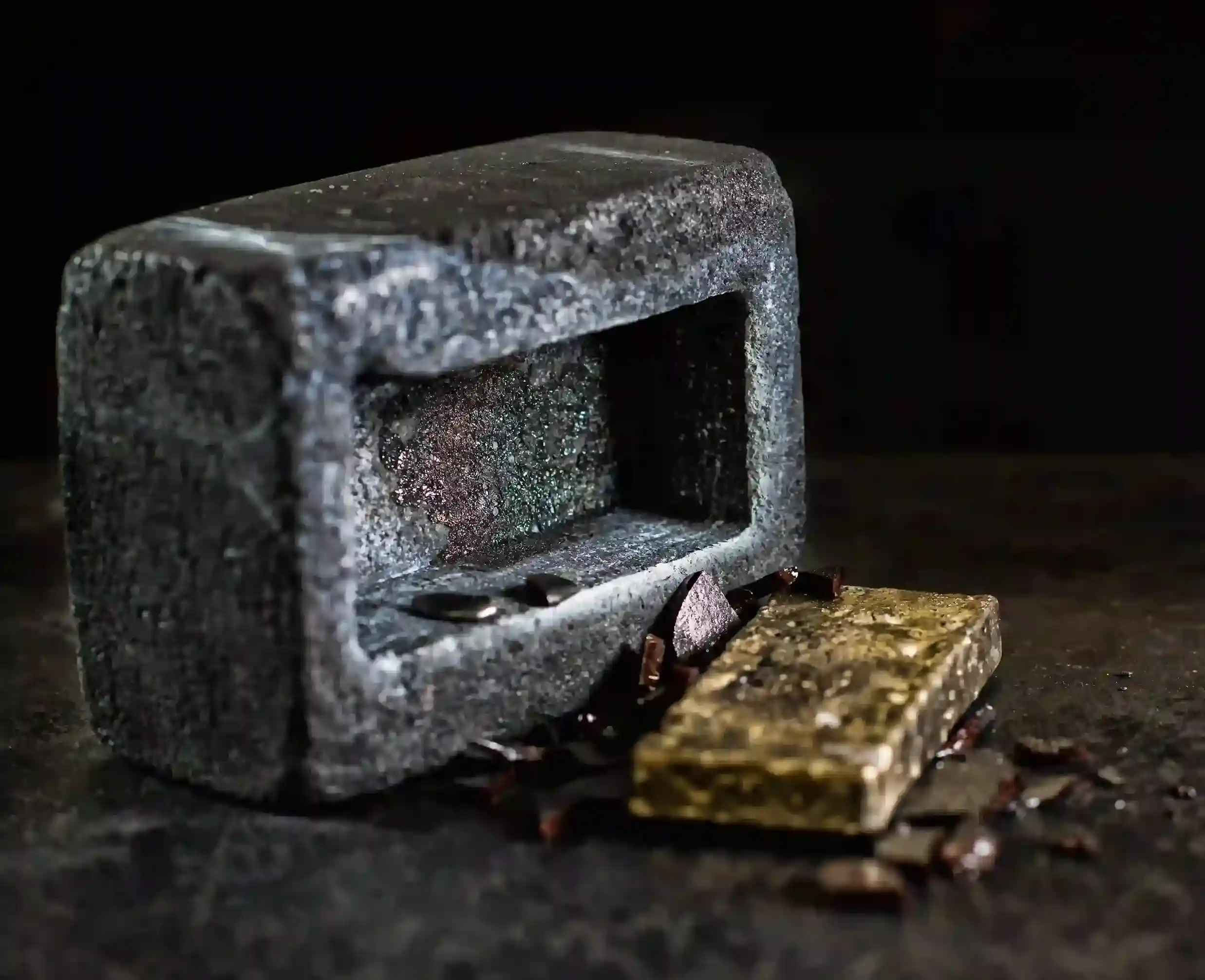 |
What This Means for Jewelers, Pawnbrokers, and Investors
| The future of gold and silver will likely be influenced by several key trends: continued demand for gold, growing industrial use for silver, and the increasing importance of recycling. While nobody can predict exactly where prices will go next, understanding the precious metals market and the various ways to invest in it can help businesses recognize opportunities. For jewelers and pawnbrokers, staying informed can help when making decisions about buying scrap and holding inventory. | |
For example, scrap gold (or silver) will never be as valuable as tradeable bullion products. 9999 Fine (99.99% pure) is a high standard in the industry that deserves a premium, while central banks require at least 995 Fine (.995) to satisfy requirements for their reserves. While gold & silver are always being recycled and purified, it’s important to consider what type of investments to make and how that might affect the value of your portfolio. Even taking delivery of an expired futures contract could result in receiving 995 Fine (99.5% pure) material, which isn’t as sought after on the secondary market. | 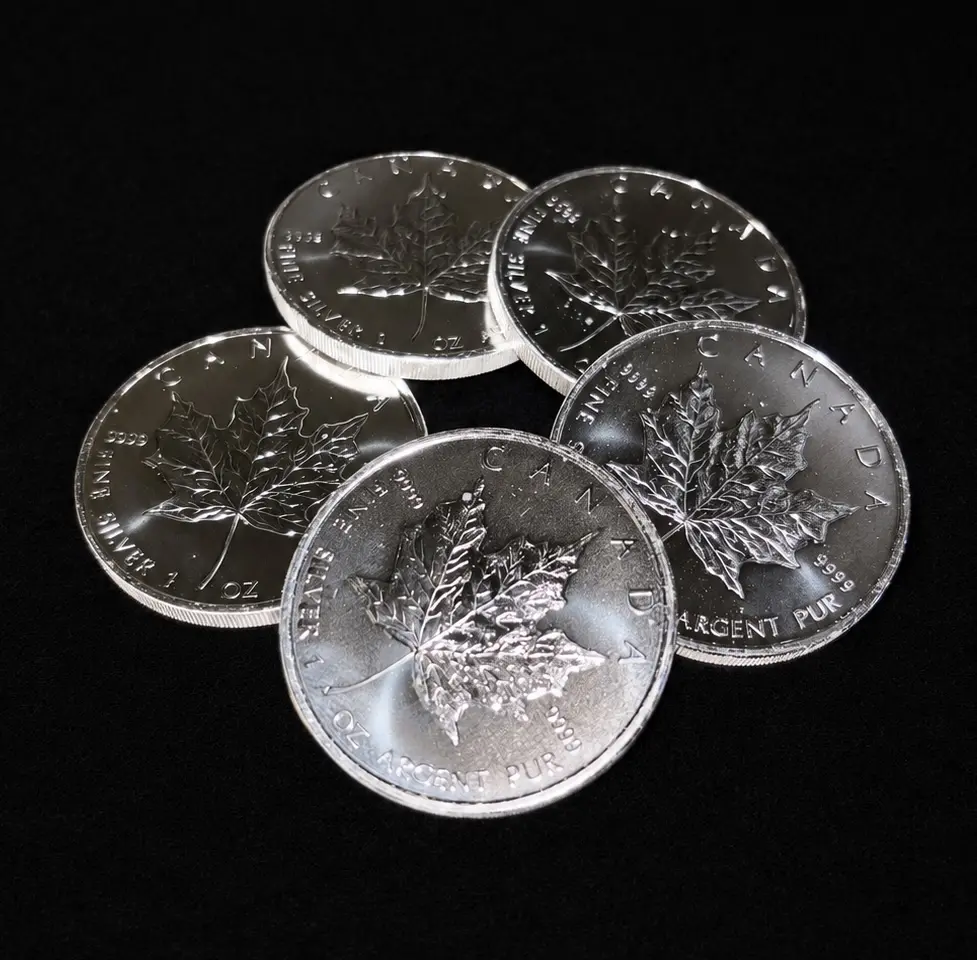 |
Looking Ahead
Although future prices are never guaranteed, the long-term outlook for both metals remains strong. In today’s current market, Gold remains an important store of value and silver continues to play a growing role in modern technology. Over the next decade, the future of gold & silver will continue to be shaped by both economic and industrial demand.
As this demand evolves, precious metal recycling will continue to play an important role in supporting supply and helping valuable materials stay in circulation. Contact us to learn more about our refining process and how we can help your business prepare for the future of precious metals.


