

Why Refining Can Feel Confusing
Jewelers and manufacturers understand refining’s core function: to turn scrap, sweeps, or excess material back into usable precious metal. But how the process actually works can feel less clear.
Terms like “fire assay”, “lot processing”, “settlement”, and “hedging” are very familiar in the refining world. However, outside of the industry, they can sound technical or overly complex. When you send valuable material to a refinery, you deserve to understand exactly what happens to it without unnecessary jargon.
In an industry built on transparency and trust, clarity matters.
Summary of Refining Processes
While each precious metal has its own nuances, the process generally follows a consistent flow at mid-market refineries.
What Happens When Your Material Arrives
Our process begins the moment your shipment reaches our facility. Material is:
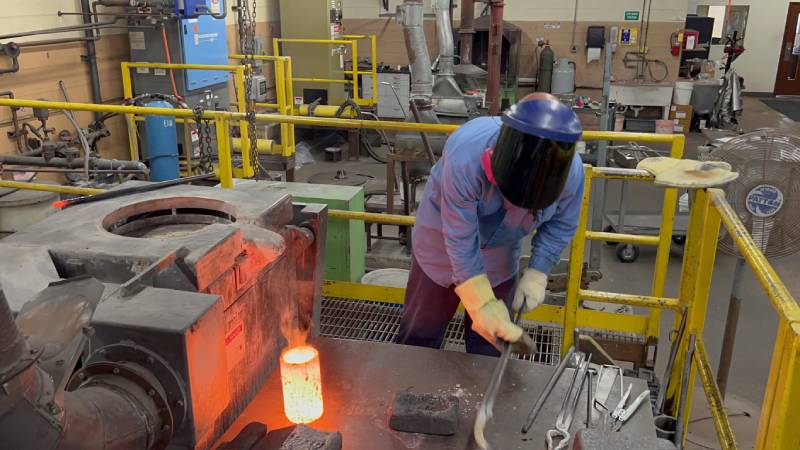
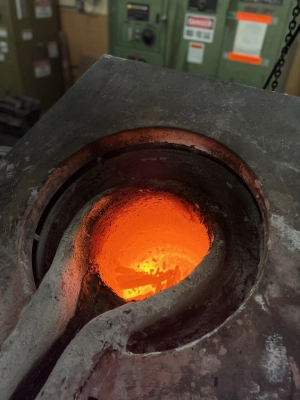
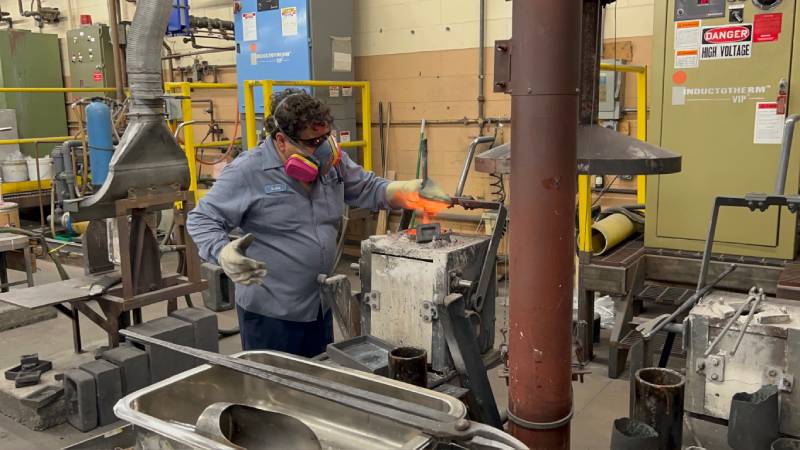
Step 1: Weighed and AnalyzedOnce we receive your metal, it is weighed and analyzed to determine the appropriate process flow for your material’s classification. The flow will vary depending on the type of material: gold scrap, sweeps and polishings, stone removal, sterling silver, platinum, etc. Clear classification and secure handling ensure accountability from the very beginning. Step 2: Melting and RefiningNext, your material is melted and purified. We use industry-leading equipment and standardized techniques to ensure no precious metal material is lost. Our refining specialists take the necessary time to ensure a reliable and responsible melt, adhering to all industry regulations and quality control standards. |
 |
Step 3: Sampling and Fire Assay
After your material has been refined and homogenized, our expert team of chemists takes cohesive samples from different areas of your melted material. These samples are used to conduct a Fire Assay analysis, which is the most accurate and reliable technique for measuring the purity of any precious metal material.
Step 4: Trading and Settlement
Once your purity analysis is complete, our expert traders price your material based on any prior hedges and current metals market pricing. Settlement of your lot is then completed, and you can ring the register (a.k.a. collect profits) on your precious metal refining lot!
Transparency and accurate calculations during this period help eliminate surprises.
Why Transparency in Refining Matters
Understanding how refining works isn’t just educational; it’s also practical. When you know the process, you can:
- Make more informed decisions about when to refine
- Plan inventory and cash flow more effectively
- Evaluate refining partners with confidence
- Understand how exactly your payout is determined
Clear communication reduces uncertainty. Accurate documentation builds trust. Knowing the methodology and timeline allows for smarter operational planning.
At Mid-States, our philosophy has always been simple: precision, accountability, and no surprises. Providing detailed insight into our process is a natural extension of those values.
Education as a Competitive Advantage
The more you understand refining, the stronger your position in the marketplace. When you understand the mechanics, you’re better equipped to:
- Manage scrap and secondary metal inventory
- Compare refining terms across providers
- Evaluate settlement options
- Make strategic decisions during volatile markets
We believe informed clients make stronger long-term partners. Education isn’t separate from managing our customer relationships; it’s part of it.
Explore the Full Refining Breakdown
To see the refining process laid out step by step, we invite you to explore our Services section. Visit our Gold, Silver, and Platinum pages to learn more about the material we accept and how each metal is uniquely processed.
If you have additional questions, our team is always available to walk through your material and answer anything specific to your business. At Mid-States, transparency isn’t just a promise. It’s ingrained in how we operate.


