
Why Metal Testing Accuracy MattersFor jewelers and pawnbrokers, knowing exactly what you have isn’t optional. It affects your pricing, payouts, and the trust you build with customers. Whether you’re sorting scrap or preparing material for refining, accurate jewelers gold purity testing is a critical part of your day-to-day operations. In most cases, that initial testing is just the first step. Once material is collected, it’s typically sent to a refiner for deeper analysis and final settlement – where accuracy matters even more. That’s where methods like X-ray analysis and fire assay come in. Within X-ray testing, tools like XRF (X-ray fluorescence) can provide a quick read on metal content, while fire assay delivers a more complete picture. Understanding fire assay vs. XRF helps you avoid guesswork and know how your material is being evaluated. What is XRF Testing? | 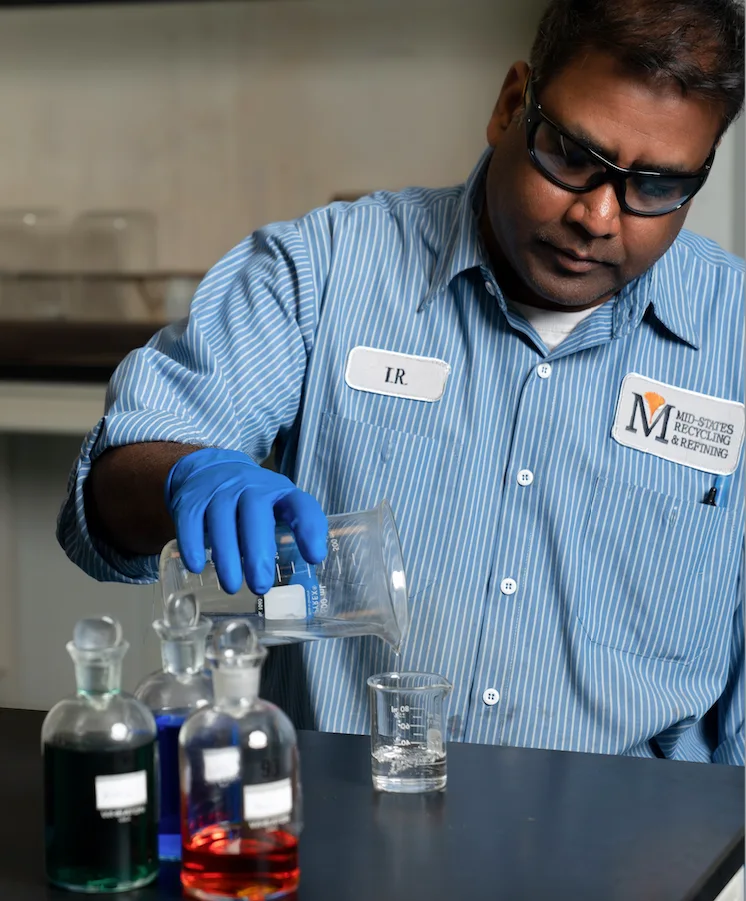 |
Once material reaches a refiner, one of the first steps is often X-ray analysis. X-ray testing is a non-destructive method, meaning it doesn’t damage the material. Within this category, XRF (X-ray fluorescence) is a more advanced tool that reads the surface of a metal by measuring how it reacts to X-rays. Refiners use it as a first pass to quickly understand what they’re working with.
At Mid-States, XRF is used as part of the initial evaluation process. It helps:
- Identify metal types quickly
- Sort and group materials
- Provide an early estimate before more detailed analysis
It’s fast, efficient, and a valuable starting point. However, it’s only the beginning of the full analysis process.
Where XRF Falls Short
While XRF is a helpful starting point, it has its limits.
Since it only reads the surface, XRF can’t show what’s happening inside the material. If an item is plated or mixed with materials, the measurement may not reflect the item’s true content.
This can lead to:
- Over- or underestimating value
- Inconsistent readings across items
- Uncertainty when it comes time for final settlement
That’s why XRF is best used as a screening tool, not the final answer. For full precious metal assay accuracy, a deeper method is needed.
What is Fire Assay? (The Gold Standard)
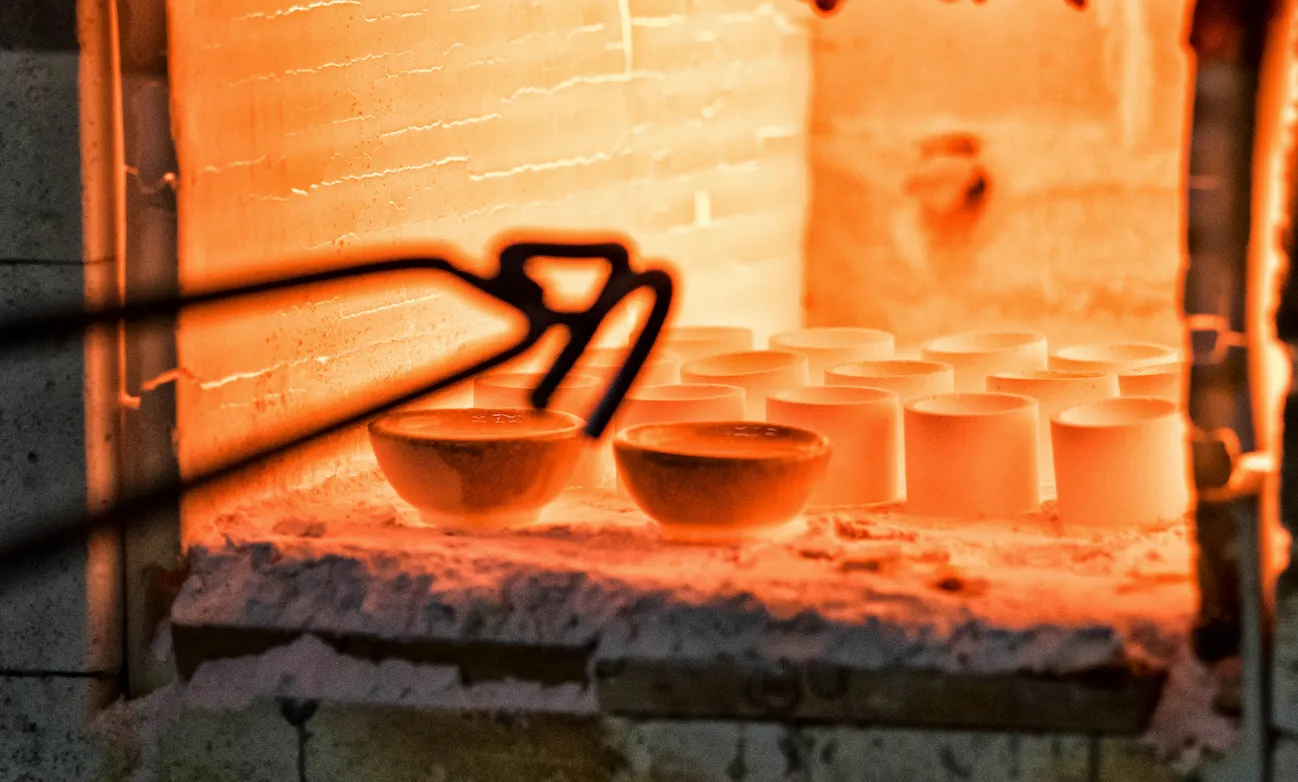
After the initial evaluation, refiners turn to fire assay for final measurement. Fire assay is a destructive, lab-based method where a small sample of the material is taken and tested. That sample is melted at very high temperatures with special materials that separate precious metals from everything else. What’s left is measured to determine the exact metal content. Because fire assay tests the full sample, not just the surface, it provides highly precise and repeatable results. It’s widely considered the most accurate metal testing method and the standard for precious metal assay accuracy. For jewelers and pawnbrokers, this level of accuracy ensures you’re being paid correctly based on the true metal content of your material. | 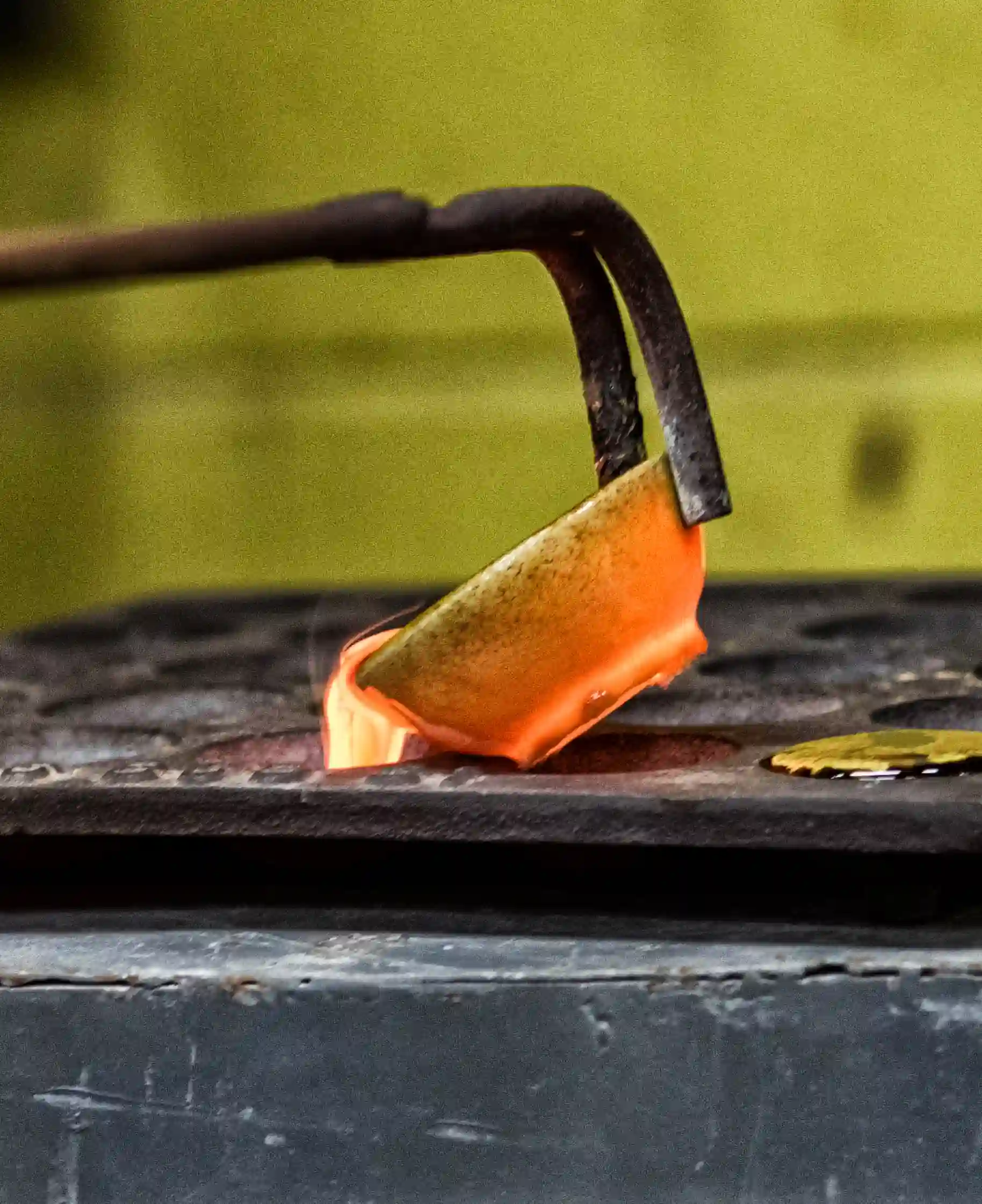 |
Fire Assay vs. XRF: Key Differences
When comparing fire assay vs. XRF, it comes down to speed versus depth
XRF (Non-Destructive):
- Fast and efficient
- Reads surface-level composition
- Best for initial evaluation
Fire Assay (Destructive):
- Takes more time
- Tests the full sample
- Provides the most accurate measurement
This assay comparison highlights the differences between destructive vs non-destructive testing. One helps guide the process, while the other delivers the final, most reliable answer.
Why Mid-States Goes the Extra Mile
At Mid-States, both methods are used together as part of a complete process.
XRF helps quickly evaluate incoming material and keep things moving efficiently. Fire assay is then used to confirm measurement and determine the final settlement.
This combined approach helps ensure:
- Consistent, reliable analysis
- Accurate and transparent payouts
- Confidence in the final settlement
Instead of relying on surface readings alone, Mid-States takes the extra step to verify analysis with fire assay – so clients have a clear and accurate understanding of what their material contains.
When Each Method Makes Sense
Both XRF and fire assay have a place in the process – they just serve different purposes.
XRF is best used for:
- In-store testing and quick checks
- Customer-facing estimates
- Sorting and grouping materials before refining
Fire assay is best used for:
- Final settlement and payout measurements
- High-value lots where accuracy matters most
- Situations where even small differences in content impact final settlement
XRF helps you move quickly at the front end, while fire assay ensures accuracy at the finish line.
Choosing Accuracy Over Assumption
X-ray and XRF testing play an important role in modern refining, especially when it comes to speed and accuracy. But surface-level analysis only tells part of the story.
Fire assay remains the most accurate metal testing method, providing the precision needed for full confidence in your final settlement.
Understanding fire assay vs. XRF helps you see how your material is evaluated – and why working with a refiner that uses both methods makes a difference.


