

Platinum group metals, or PGMs, are a family of six metallic elements that all share common physical and chemical characteristics. The six PGMs include platinum (Pt), palladium (Pd), iridium (Ir), rhodium (Rh), ruthenium (Ru), and osmium (Os). Other than their inherently similar chemical makeup & physical properties, they all hold a unique place in the broader precious metals market.
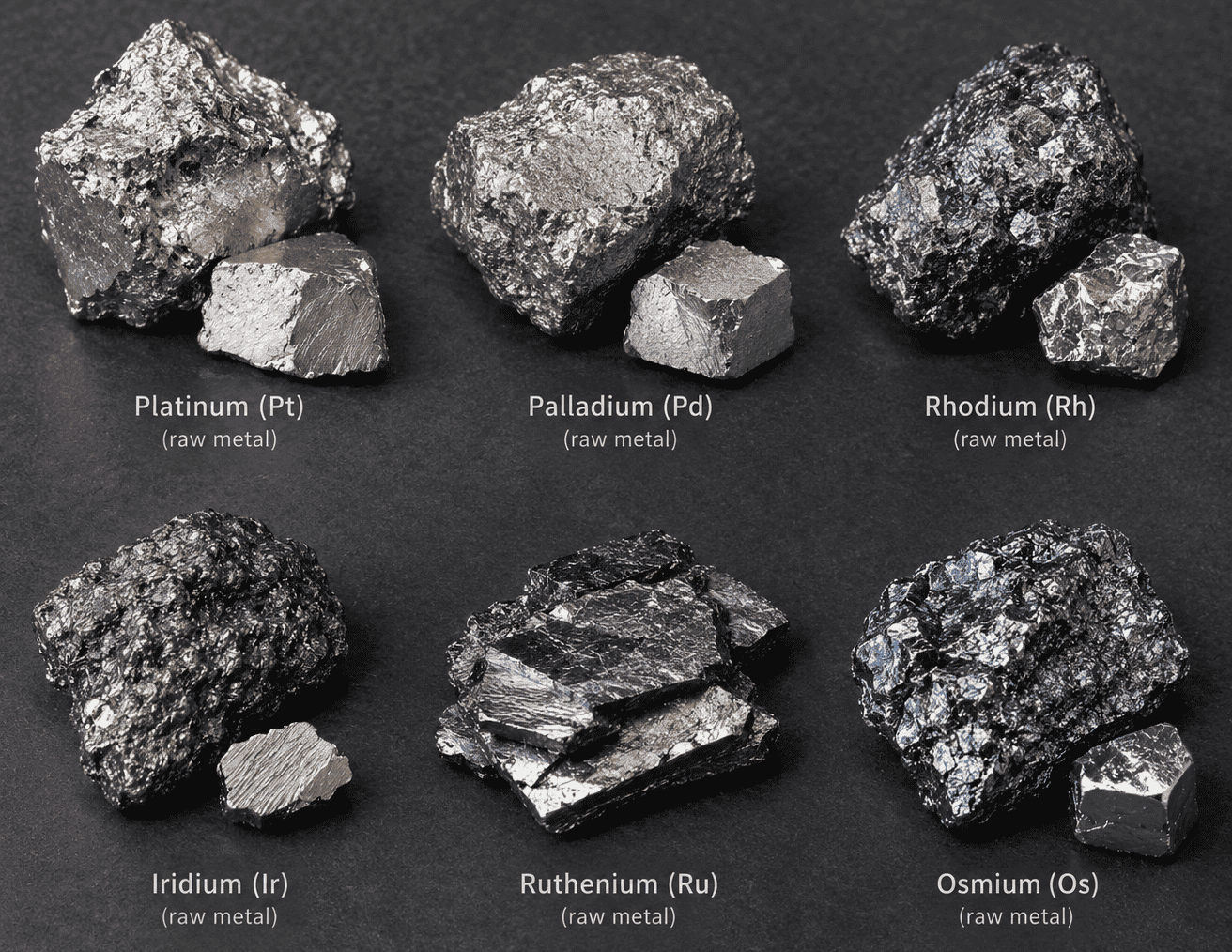
These metals are commonly found in jewelry, vehicles, electronics, medical devices, and a range of industrial applications. While commonly found together in mineral deposits and second-hand applications, the U.S. Geological Survey’s 2026 Mineral Commodity Summary showcases how varied the distribution of these materials can be.
Evolving technologies, electric vehicle (EV) adoption, mine supply, and recycling could all affect the PGM demand outlook for the long-term future. Everchanging industrial applications will constantly shift utilization, and each metal will follow a unique path forward.
Commercial Uses of PGM Metals Today
Platinum
Iridium
| Palladium
Osmium
| Rhodium
Ruthenium
|
View the full chart of Commercial PGM Uses
What is Shaping the Future of PGMs?
Automotive demand remains a big part of the PGM market. Platinum, palladium, and rhodium are heavily used in catalytic converters to help control vehicle emissions. However; as more electric vehicles enter the market, that traditional source of demand will shift to other applications.
PGMs will continue to be heavily used in electronics, semiconductors, and emerging hydrogen technologies. The International Energy Agency points to platinum group metals as critical materials used in hydrogen fuel cells. As a result, the worldwide adoption of hydrogen energy could become a large catalyst for international demand of platinum group metals. One of the safest long-term categories for PGM usage is in chemical processing; specifically, their reliability in controlled chemical reactions. PGMs are exceptionally good chemical catalysts in the production of many important solutions today. For example, petroleum, pharmaceuticals, and electrochemistry all utilize platinum group metals in high-performance chemical reactions. With so many use cases to consider, platinum industrial demand will depend on how several markets develop at once. |  |
A Closer Look at PGM Automotive Usage
Palladium, platinum, and rhodium have an especially close connection to the automotive industry. In 2020, over 60% of all PGMs were used in auto catalysts in ICE vehicles, states Transport Energy Strategies. While ICE vehicles require these materials for catalytic converters, the broader industry will require them for much more than that.
Battery electric vehicles (BEVs) don’t need catalytic converters, but the adoption of hydrogen fuel cell electric vehicles (FCEVs) remains an important use case for PGMs in this sector. ICE and hybrid vehicles will not disappear overnight, either. Instead, the auto industry will incorporate a mixture of fuel sources, all requiring PGMs for different reasons. As a result, overall demand for PGMs in the sector are expected to gradually increase year over year. It’s clear that platinum and palladium demand outlook has some short-term uncertainty as other use cases unfold, but the utilization of these elements will grow into different areas as more emerging technologies evolve. |  |
Understanding the Balance of PGM Supply & Demand
PGM market trends will undoubtedly follow a delicate supply & demand curve. One of the most important factors driving the future of PGMs relies on the consistency of supply. Platinum group metals are some of the rarest and most difficult elements to extract from the earth, so mining these elements will have its limitations. On top of that, most of the world’s PGM mine production is concentrated in South Africa and Russia.
Luckily, the recycling infrastructure across the globe will provide some positive stability for the long-term supply network. Recovering platinum, palladium, rhodium, etc. from existing materials puts those metals back into the supply chain. As demand changes over time, PGM recycling will be crucial to help supplement newly mined material.
PGMs can be difficult to identify, separate, and recover, so this work requires specialized platinum recovery methods.
Looking Ahead at PGMs
There’s no single trend that will determine the future of the six platinum group metals. New applications are developing as former use cases adapt to geopolitical and environmental regulations. Mine supply remains concentrated, and recycling continues to return existing metals to the market. Jewelers, pawnbrokers, and refiners are an important cog in the PGM supply chain and recycling these materials remains ever important. Buyers and dealers should be closely monitoring the broader PGM outlook as these macro-economic stories develop, in order to position themselves for the future of platinum and its counterpart metals. Staying informed will help you better understand the materials you handle today, as well as the factors that could influence their value tomorrow. | 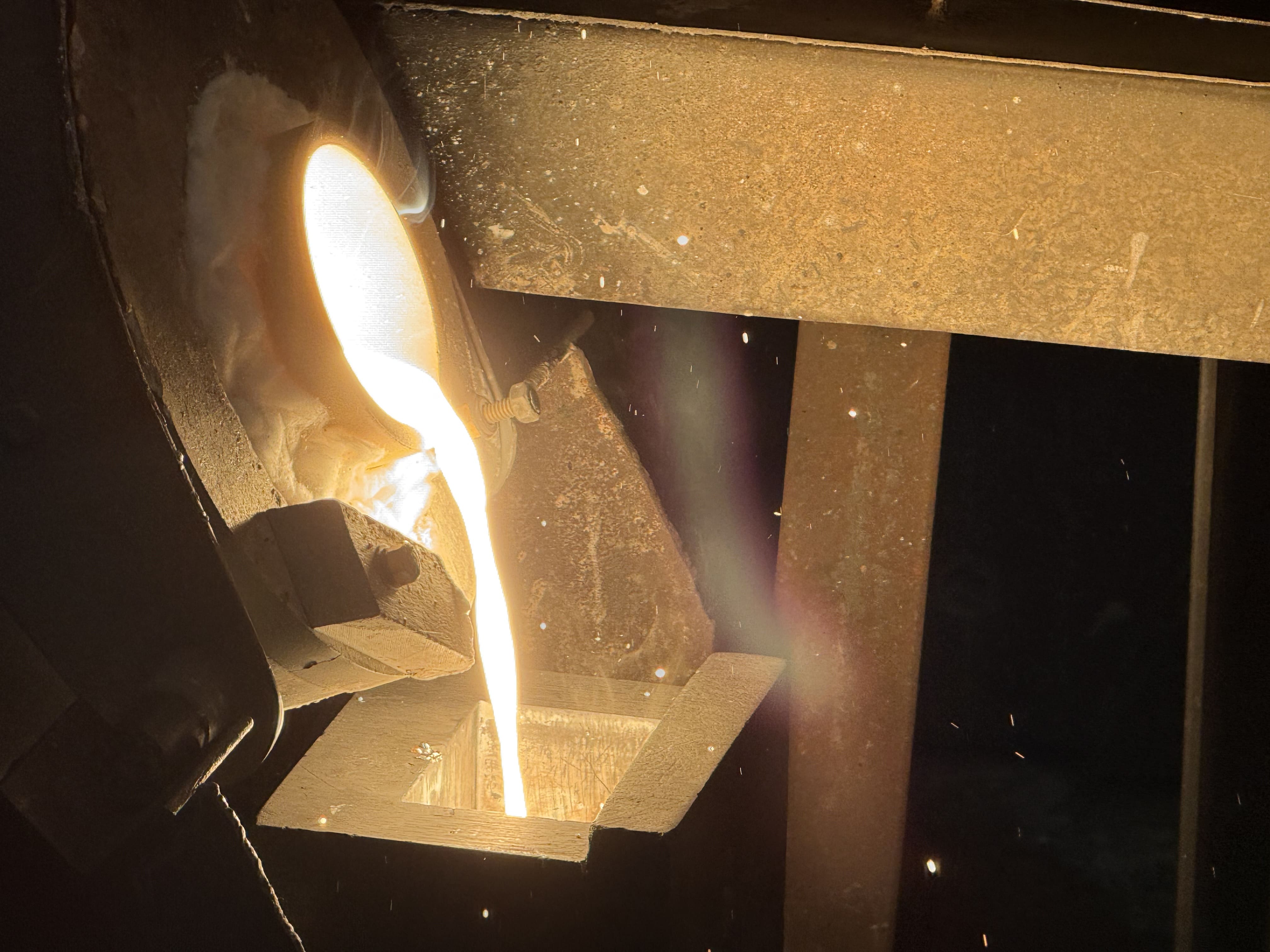 |


