

Over the past few years, platinum has become one of the most popular precious metals used in the retail jewelry market. At the same time, it has a reputation as one of the most inert precious metals to process and refine. Once platinum reaches a refinery, it requires unique handling processes due to its strength, composition, and presence of other Platinum Group Metals (PGMs).
Platinum is durable, naturally white, and often found alongside other metals in high-end jewelry pieces. Refining platinum scrap sometimes requires specialized equipment, handling procedures, and a higher level of technical expertise thanks to its variety of alloys and unique physical properties. That's why perfecting these specialized platinum refining techniques is so important.
Platinum's Unique PropertiesAsk someone in the refining industry about the various platinum refining challenges, and they'll probably mention temperature first. The melting point of platinum is far above that of gold or silver. That means refiners need furnaces, crucibles, and process controls built specifically for these higher-temperature conditions. Platinum’s other characteristics influence everything from how the metal flows to how it is prepared for laboratory testing. Platinum is denser than gold, and it behaves differently during melting and refining. For example, platinum resists hydrochloric acid; therefore, it takes much longer to dissolve in aqua regia. In order to effectively separate platinum from gold and PGM counterparts, multiple processes must be done to achieve desired purity levels. | 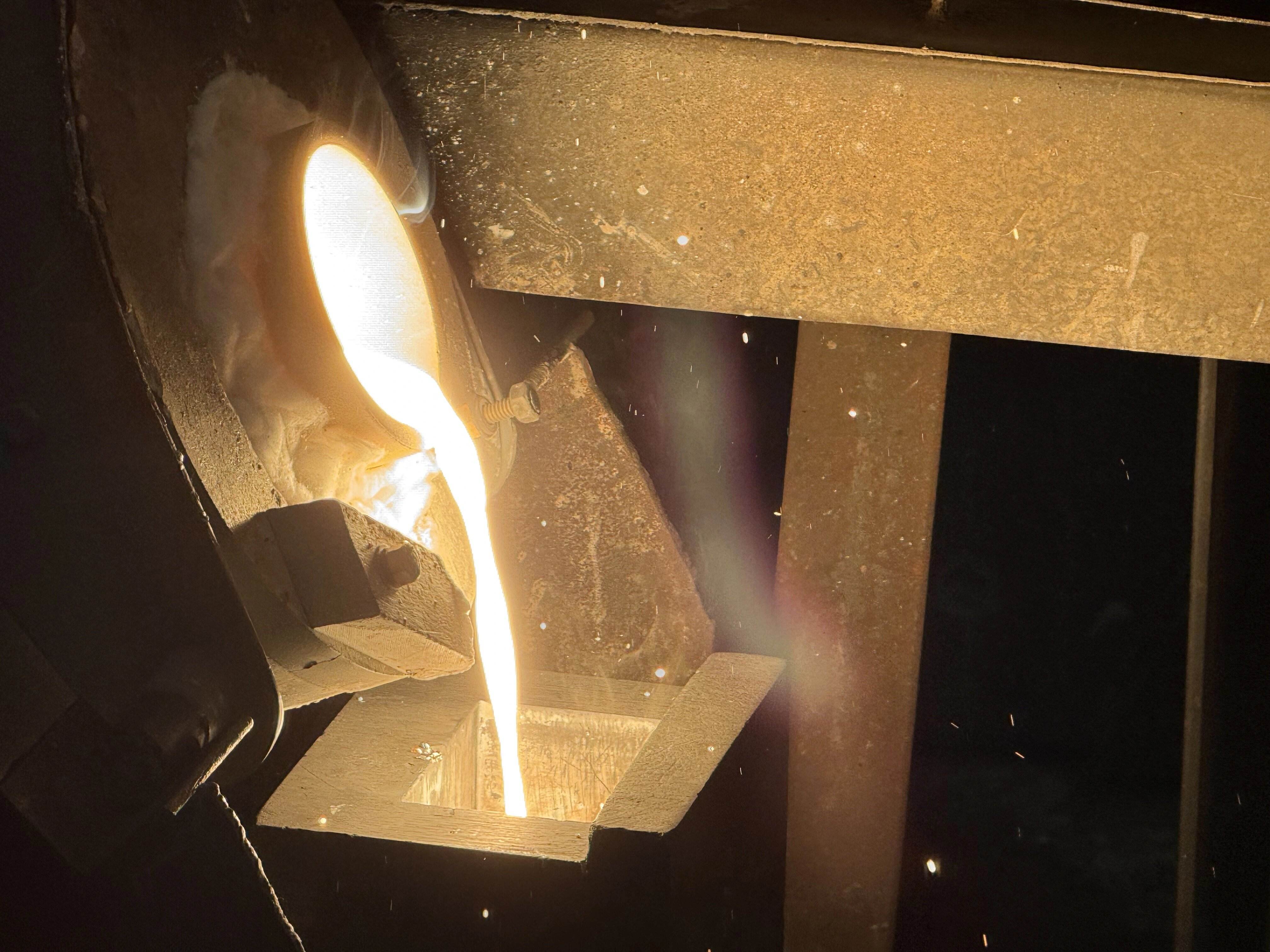 |
Sampling & Assay: An Important Early Step
Long before platinum enters its final refining stage, the laboratory needs a sample that accurately represents the entire lot. That starts by melting the material into a homogeneous mass. Only then can a representative sample be collected for in-depth analysis.
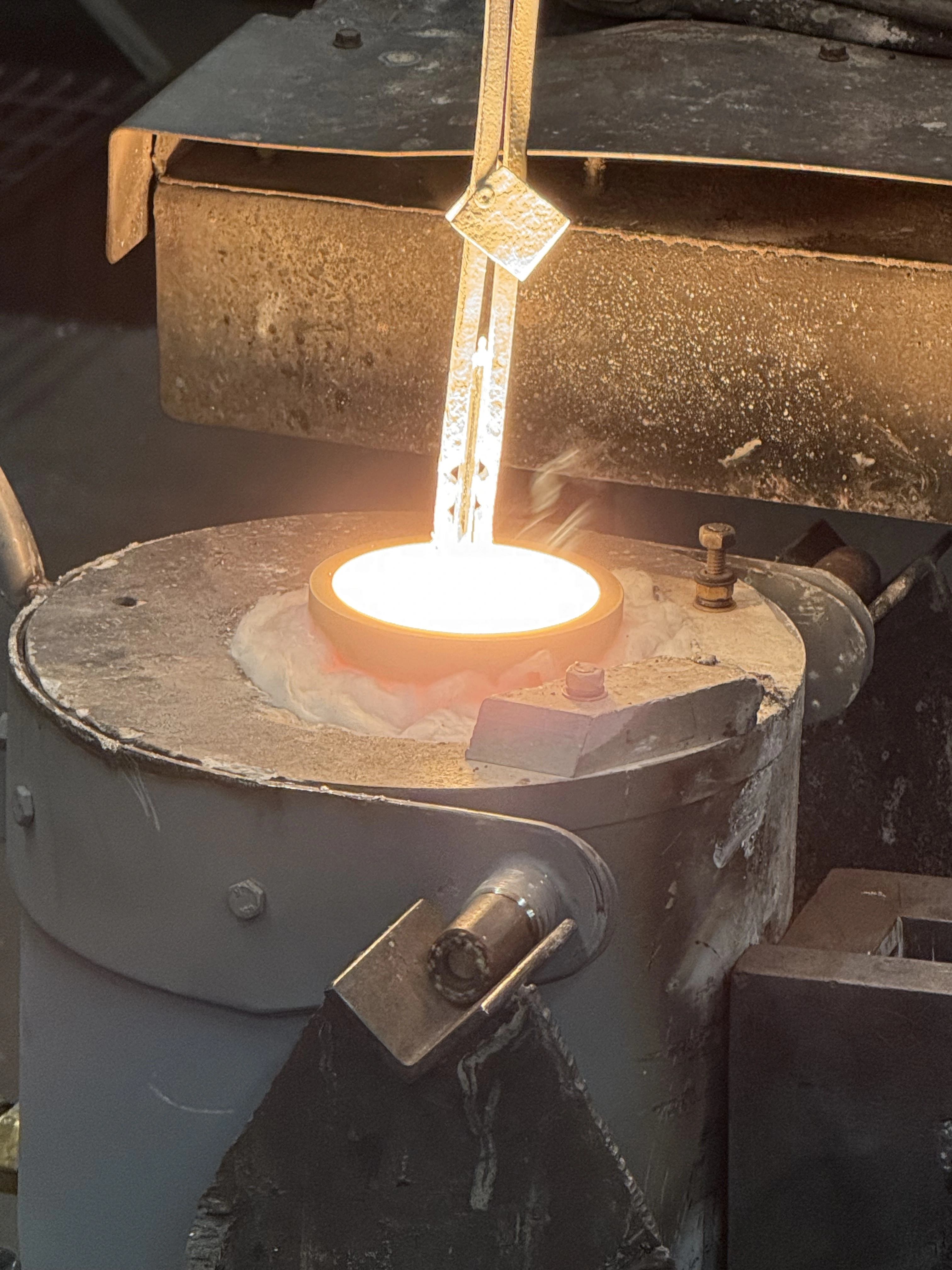 | 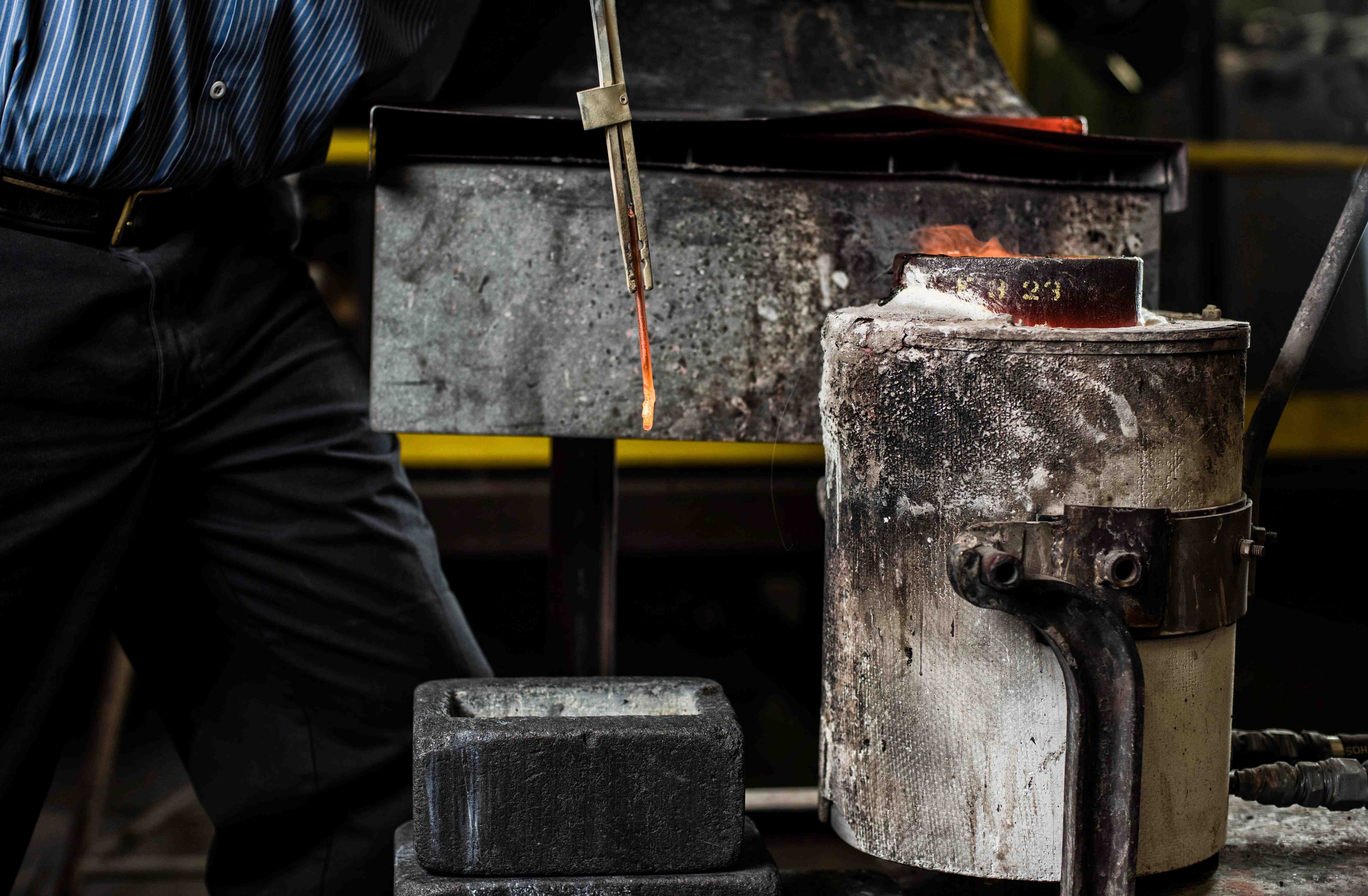 |
This is where platinum sampling precision becomes especially important. Platinum-bearing lots often contain several precious metals, so even small variations in a sample can affect the analytical results. Modern laboratories rely on platinum assay methods that can measure all platinum-group metals (PGMs) while accounting for the presence of other precious metals in the same lot.
Platinum Recovery Techniques & Refining Methods
Platinum and it’s PGM counterparts (palladium, rhodium, iridium, ruthenium, and osmium) share many physical characteristics and chemical reactions, making them extremely difficult to separate from each other. Special measures must be taken to ensure isolation of platinum from other PGMs, including but not limited to:
Many of these highly technical recovery methods are also used when refining gold into pure bullion. No matter which method a refinery uses, handling platinum at this scale requires corrosion-resistant equipment, specialized reactors, and laboratories capable of detecting impurities at a parts-per-million scale. | 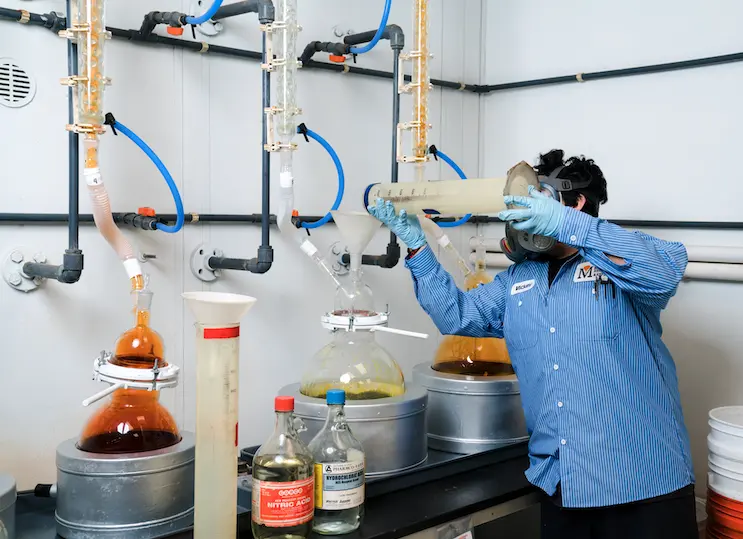 |
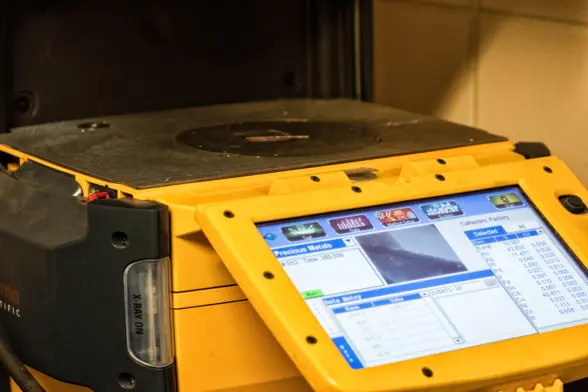
If you'd like to learn more about the testing process itself, our article XRF Analysis vs. Fire Assay explains how these analytical methods support precious metal refining.
Mixed Metals & Recovery Considerations
To complicate things further, refiners may receive platinum rings, gold jewelry, silver scrap, and other precious metals in the same shipment. These multi metal mixtures require careful evaluation before refining begins.
Rather than treating every lot the same, experienced refiners identify the different materials first and determine how each should be processed. Taking that extra step reduces the risk of contamination issues while allowing each metal to follow a refining schedule best suited for maximize recovery and payout.
Why Platinum Recovery Requires Experience
Recovering platinum isn't difficult because of one single step. It's the combination of many small details that makes the difference:
- Material identification must be accurate.
- Samples must represent the entire lot.
- Laboratory results need to reflect the actual precious metal content.
- Every stage depends on the one before it.
Those are some of the platinum recovery difficulties experienced refiners are trained to manage every day. The right equipment certainly matters, but experience matters just as much. Established procedures, consistent documentation, and analytical expertise all contribute to transparent settlements and dependable results.
For jewelers and pawnbrokers, that means greater confidence when refining platinum-bearing materials.
Expertise Makes the Difference
Platinum may be refined alongside other precious metals, but it shouldn't be treated as just another refining lot. Its melting characteristics, alloy compositions, and analytical requirements all require a different approach.
At Mid-States Recycling & Refining, decades of experience support every stage of expert platinum refining. From representative sampling through laboratory analysis and final settlement, documented procedures and careful process controls are used to address the platinum refining challenges that come with platinum-bearing materials. When those details are handled correctly, customers can feel confident they're receiving accurate analysis, transparent settlements, and the level of service they expect from an experienced precious metal refiner. Contact our team with your questions today! |  |


