

Jewelers and pawnbrokers know what happens to scrap gold before it leaves their shop. What happens after it arrives at a refiner is often less familiar. Understanding how gold is refined can help you interpret accurate settlements and recover as much precious metal as possible.
The gold refining process involves much more than melting metal. Every lot follows a carefully controlled series of steps to identify its precious metal content, determine the best refining approach, and recover gold as efficiently as possible. It’s important to note that the methods used heavily depend on the material's composition, so no two refining lots are processed the same way.
 |  |
Accurate Receiving, Melting & Sampling
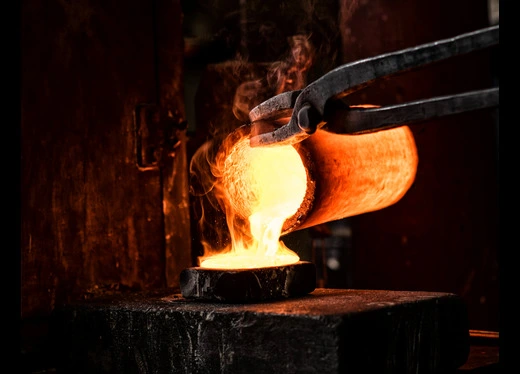
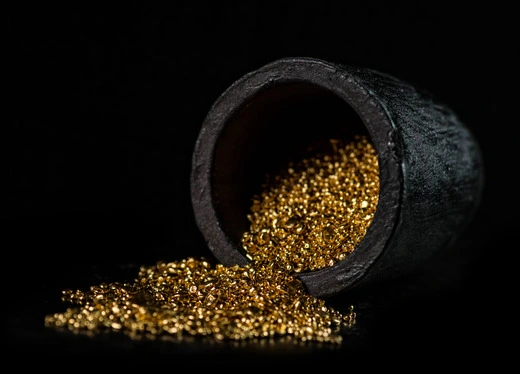
The process begins as soon as the material arrives at the refinery. Each shipment is documented, weighed using calibrated equipment, and tracked through established chain-of custody procedures. These critical steps help ensure accountability from receiving through final settlement. From there, the material moves into melting and sampling. Scrap gold is melted into a single, homogeneous lot so the precious metals are evenly distributed throughout the material. Sometimes, copper is added to ensure melt consistency when various other metals are present. Once the melt is complete, pin samples are collected for laboratory analysis. Taking samples while in its most homogenous form allows refiners to find a true average. A properly prepared sample allows the laboratory results to reflect the entire lot rather than a small portion of it. Laboratory Analysis Guides Next Steps |  |
Before any further refining takes place, the representative sample is analyzed to determine its precious metal content. Many refiners use X-ray fluorescence (XRF) as a fast way to estimate a sample's composition. For highly accurate precious metal analysis, fire assay remains the industry standard.
The analytical results serve two important purposes. First, they support accurate customer settlements. Second, they help refiners determine which refining method is best suited for the material being processed.
Chemical Refining: Aqua Regia
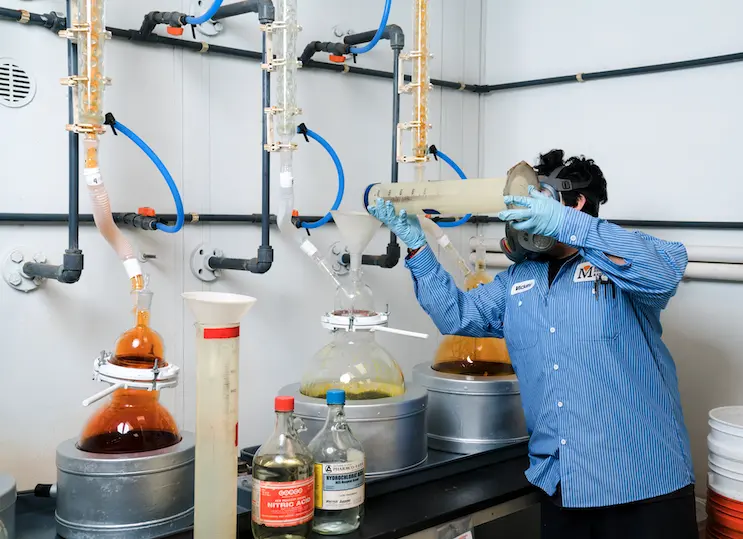
One common method used for refining karat gold material is aqua regia gold refining. Aqua regia is a specialized chemical solution of Hydrochloric acid (HCl) and Nitric acid (HNO3) that dissolves gold, making it possible to separate it from other metals and impurities.
The metal is heated and mixed with the solution for 1-2 hours, stripping and dissolving the pure gold from the initial composition. After filtering and neutralizing the chemicals, Hydrazine Hydrate (N₂H₄ ⋅ xH₂O) is added to return the gold to a solid state. This process is very similar to our gemstone recovery process at Mid-States and utilizes many of the same steps.
The chemistry of aqua regia is highly technical, but the objective is straightforward: efficiently separate the gold so it can be recovered and further purified. This process must be done carefully to maintain all environmental and safety standards at every stage.
Electrolytic Refining
Some materials may be processed using electrolytic gold refining. This method uses an electrical current to remove remaining impurities and further purify the gold. Essentially, this process allows you to achieve a higher level of purity from your material. For example, turning 999 Fine into 9999 Fine.
This process includes removing electrons from gold atoms and re-bonding them through electrolyte migration. This allows the gold to be further purified at the molecular level, leaving the atoms of other precious metals behind. As mentioned earlier, electrolytic refining is typically used for specific feed materials or when exceptionally high levels of purity are required. The result is material suitable for pure gold bullion refining.
The choice of refining method always depends on the characteristics of the incoming material and the desired final result.
The Minting Process
After the desired purity level has been achieved, the physical shape of the material must be manipulated for different bullion products. Shapes and sizes will vary between brands and products, which means each coin or bar will undergo a custom procedure.
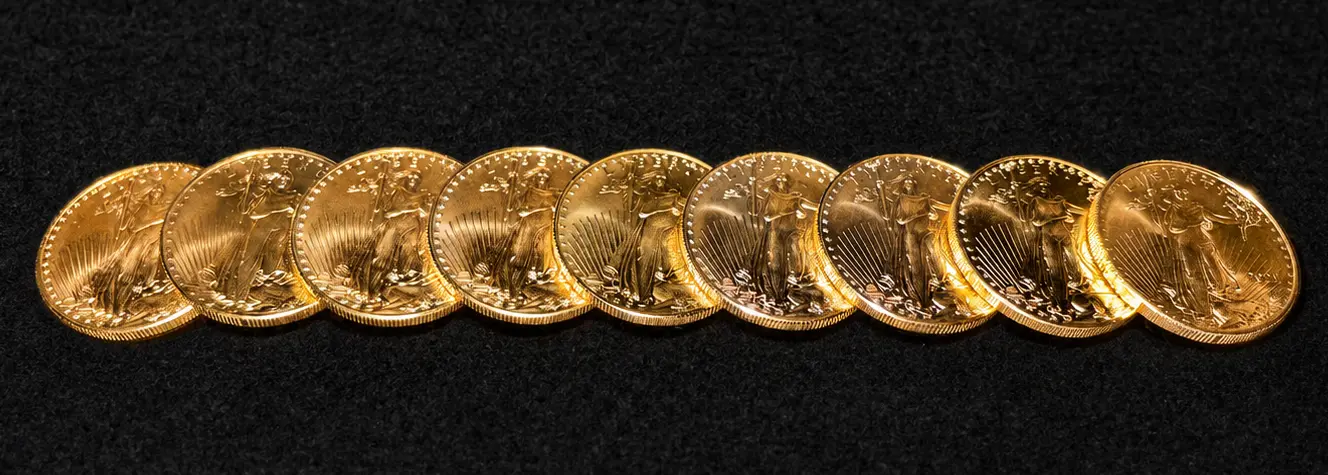
This physical manipulation includes cutting, heating, pressing, and shaping the material to the desired form. Lots of heavy machinery is used at this stage to break down large cast bars into smaller, more ideal pieces – each piece evolving closer to the finished product. Finally, prepared “blanks” are finished at the die-cast machine to imprint the branding & design onto each piece of bullion.
Minting bullion requires lots of extra floor space, machinery, and power to execute efficiently, and many refineries are not equipped to handle it. Therefore, outsourcing is common at this stage of the process.
Why Refiners Use Different Methods
At the end of the day, there is no single process that works best for every type of precious metal scrap. The composition, purity, and form of the material all influence the refining method that will produce the best outcome. In many cases, experienced refiners use more than one technique during processing to maximize recovery and maintain accuracy. The goal is always the same: recover as much precious metal as possible while providing reliable analytical results and accurate customer settlements. If you are looking to refine your scrap gold and receive certified bullion products back in return, contact us to get started and refine with the most transparent partner in the industry! | 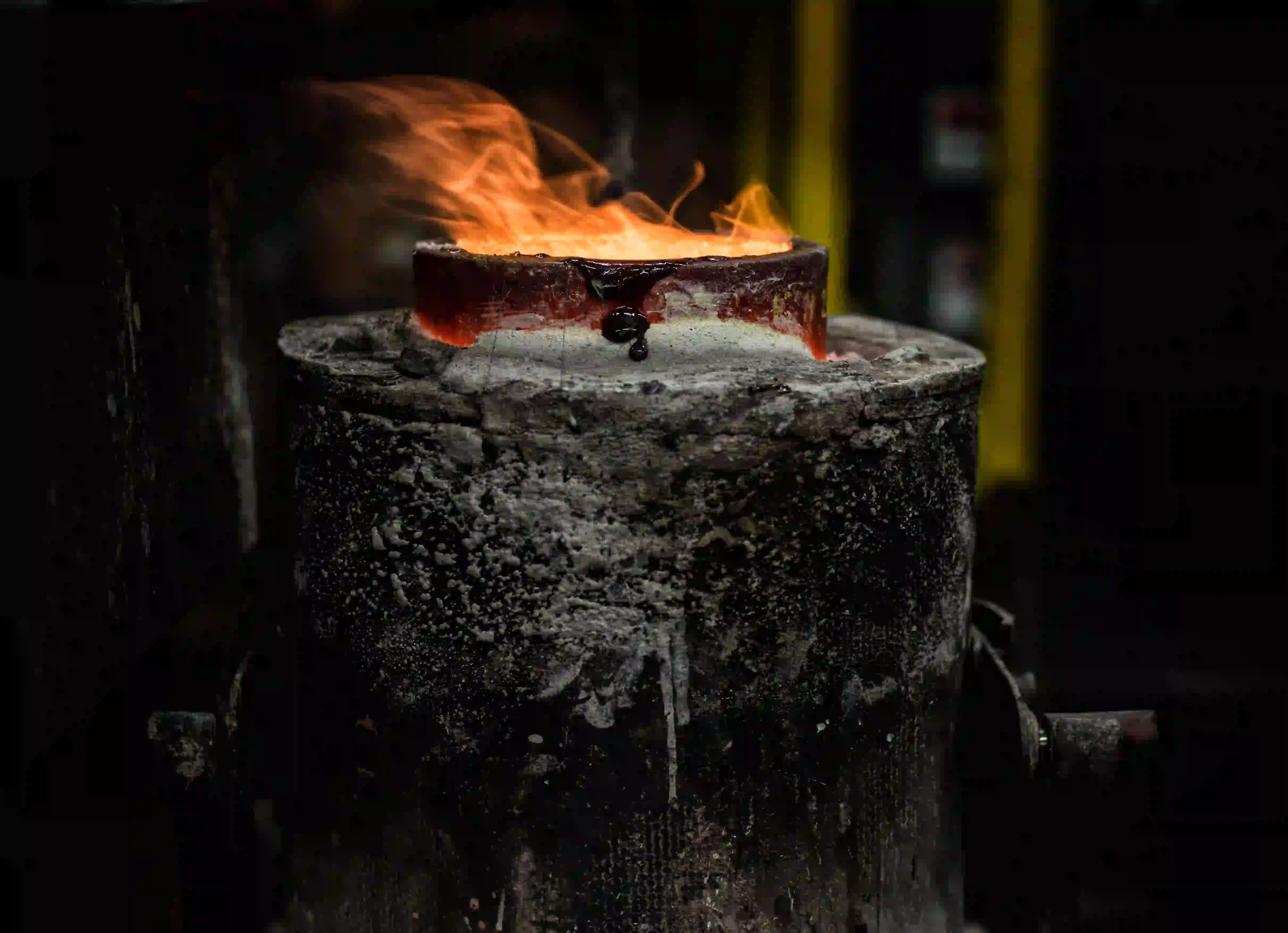 |


