

When you send precious metal scrap to a refiner, you can usually estimate how much you’ll get out of it. At the same time, you may wonder, “How do I know I’m getting credit for everything I send?” The answer comes down to process control and working with a responsible refinery you can trust.
From the moment your material is received, reputable refiners use documented procedures designed to protect customer value. Accurate weighing, secure melting and sampling, contamination control, and precise laboratory analysis work together to help ensure fair and accurate settlements. Let’s take a look at how the process works:
Accurate Weighing: The Foundation of the Process
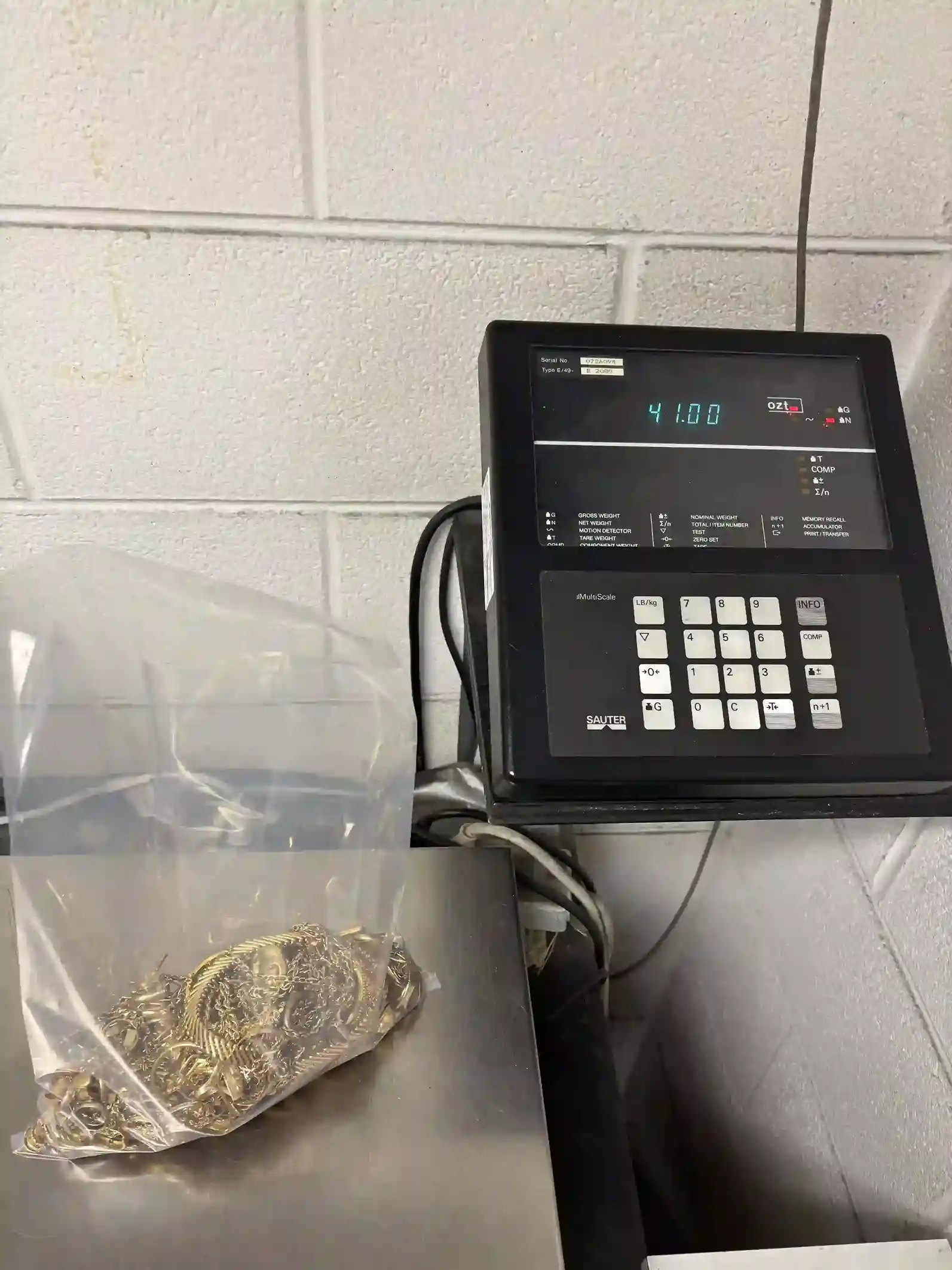
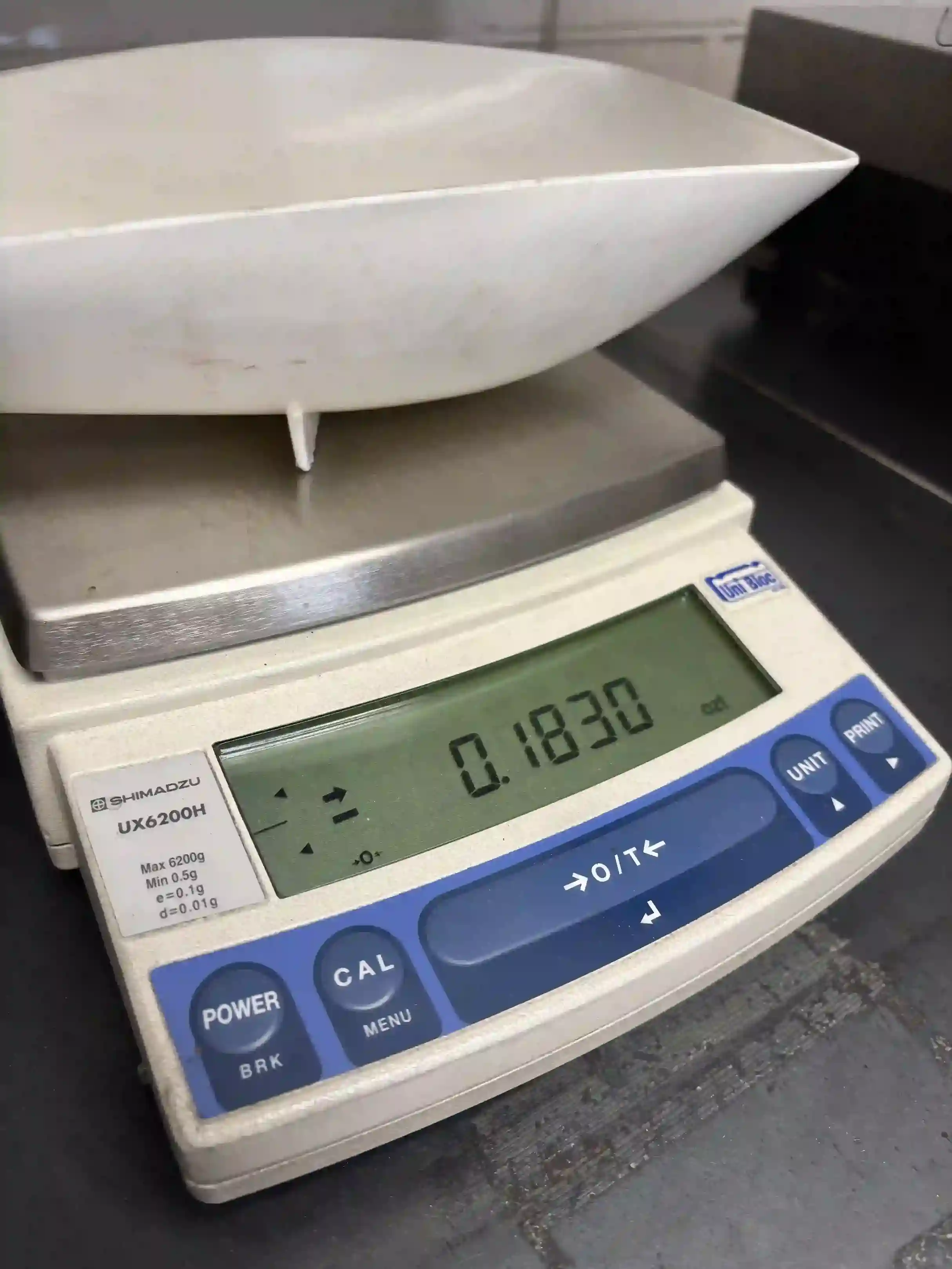
Every refining lot begins with weighing. That might sound straightforward, but weighing precision is one of the most important parts of the process. Before any testing or refining can take place, the material must be accurately documented and accounted for.
Professional refiners use calibrated scales and documented procedures to record incoming lots. This creates a clear starting point and helps maintain accountability throughout the refining process. Simply put, if the starting weight isn’t accurate, everything that follows becomes more difficult to verify.
 |  |
Why Refiners Melt Precious Metals Before Sampling
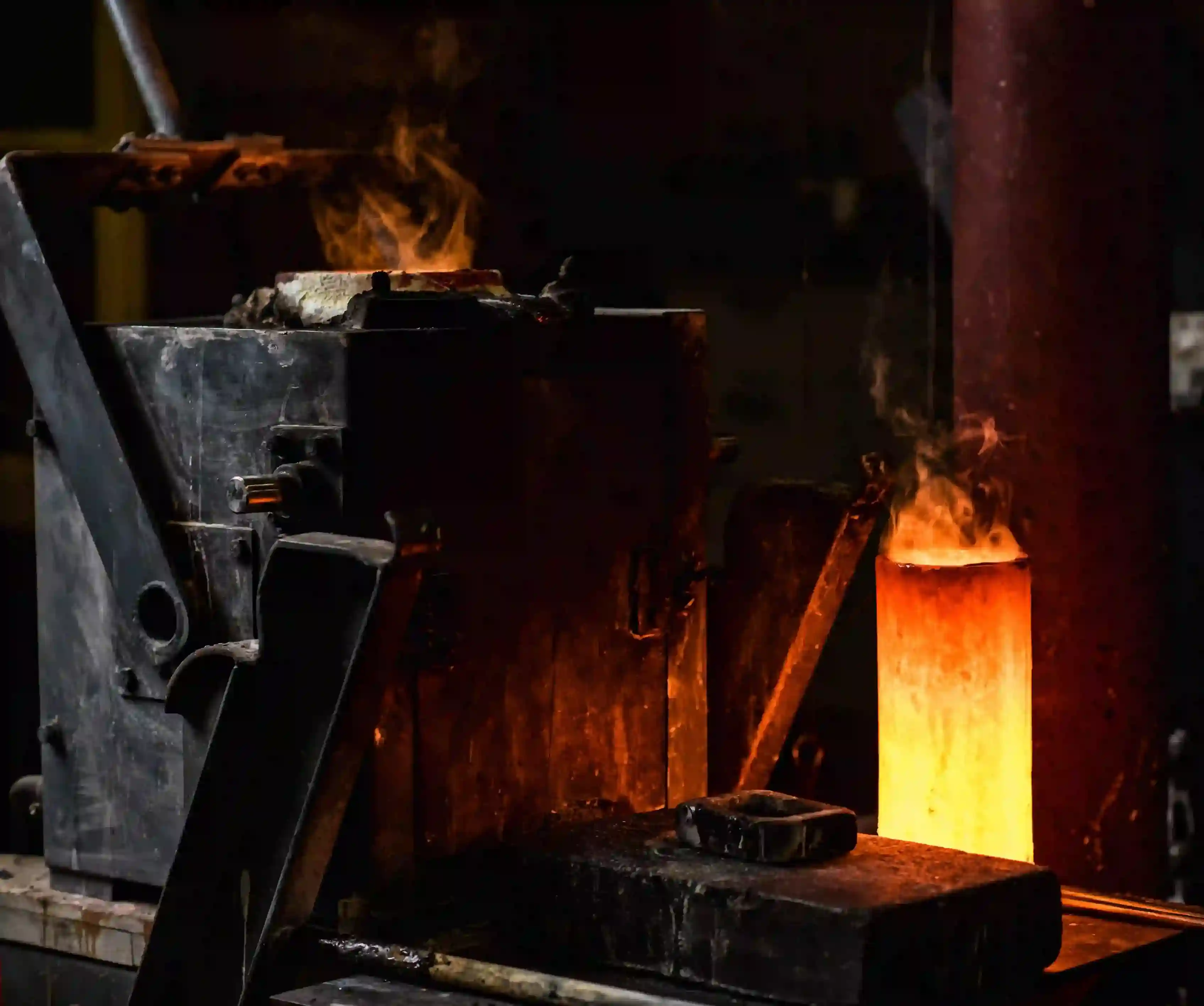
Melting alone doesn’t separate impurities or produce pure precious material. This is because scrap lots almost always contain a mix of different alloys and precious metals. For example, a single lot may include 10K, 14K, and 18K gold pieces which all have unique material compositions. Melting combines these materials into a homogeneous alloy so that the sample taken for analysis represents the entire lot. This is important because samples will ultimately be used to determine the precious metal content of the entire batch of material. Creating a uniform melt helps support melt loss prevention and is an important part of secure melting and sampling procedures. |  |
Accurate Sampling Leads to Accurate Results
After the material has been melted and mixed into a homogeneous alloy, samples are collected for testing & analysis. Accurate sampling is critical to the refining process because the average purity (of all pin samples) represents the entire lot. If the sample isn’t representative of the entire batch of material, the analysis may not accurately reflect the precious metal content.
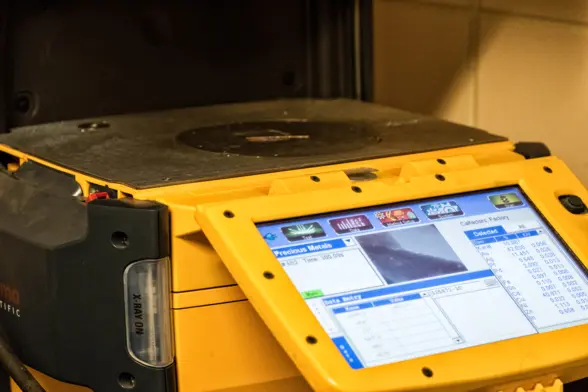
Many refiners begin with XRF analysis to provide a preliminary indication of metal content. This information can help guide the next steps. The sample then undergoes Fire Assay, which remains the industry standard for highly accurate precious metal analysis and serves as the basis for final analysis. Therefore, the quality of a sample directly impacts the quality of the results.
Why Contamination Control Matters
Another important part of refining loss control is preventing contamination. Professional refiners use procedures designed to keep customer lots separate and maintain material integrity throughout the process. This may include equipment-cleaning protocols, material-tracking systems, and documented handling procedures. These safeguards help ensure that the sample being analyzed truly represents the customer’s material of value and not residue from another lot. This degree of contamination control protects both the customer and the refiner by supporting consistent and reliable results. |  |
Why Transparency Matters When Choosing a Refiner
The best refiners don’t just have strong processes–they’re willing to share them with customers. When evaluating a refining partner, look for a company that can clearly explain its weighing, melting, sampling, and analytical procedures and one that has an open-door policy.
Transparency demonstrates confidence in the process and helps customers better understand how their settlements are determined. At the end of the day, preventing metal loss during refining isn’t about a single piece of equipment or one test. It’s about maintaining accurate, documented procedures at every step.
Why it Matters
Accurate settlements begin long before the final assay report…Weighing precision, secure melting & sampling, accurate laboratory analysis, contamination control, and documented process controls all play important roles in preventing metal loss during refining and protecting customer value.
When these safeguards are in place, refiners can help ensure materials are properly accounted for and accurately analyzed. That’s why strong process control and consistency remain one of the most important factors when choosing a refining partner.


