

When jewelers and pawnbrokers send precious metal scrap to a refiner, a little preparation goes a long way. Whether scrap comes from repairs, broken chains, outdated inventory, bench sweeps, or casting grain, organized shipments are easier to process and evaluate accurately.
This scrap preparation guide is designed to help jewelers and pawnbrokers simplify the refining process while improving transparency and efficiency. At Mid-States Recycling and Refining, accurate fire assay analysis, careful material handling, and transparent reporting remain critical to every refining lot received.
Step 1: Sort Scrap by Metal Type & Karat
One of the easiest ways to prepare jewelry scrap for refining is to organize the materials before shipment. Proper jeweler scrap sorting can help speed up processing, improve workflow efficiency, and give jewelers a clearer idea of what to expect from their settlement.
Whenever possible, please separate:
| 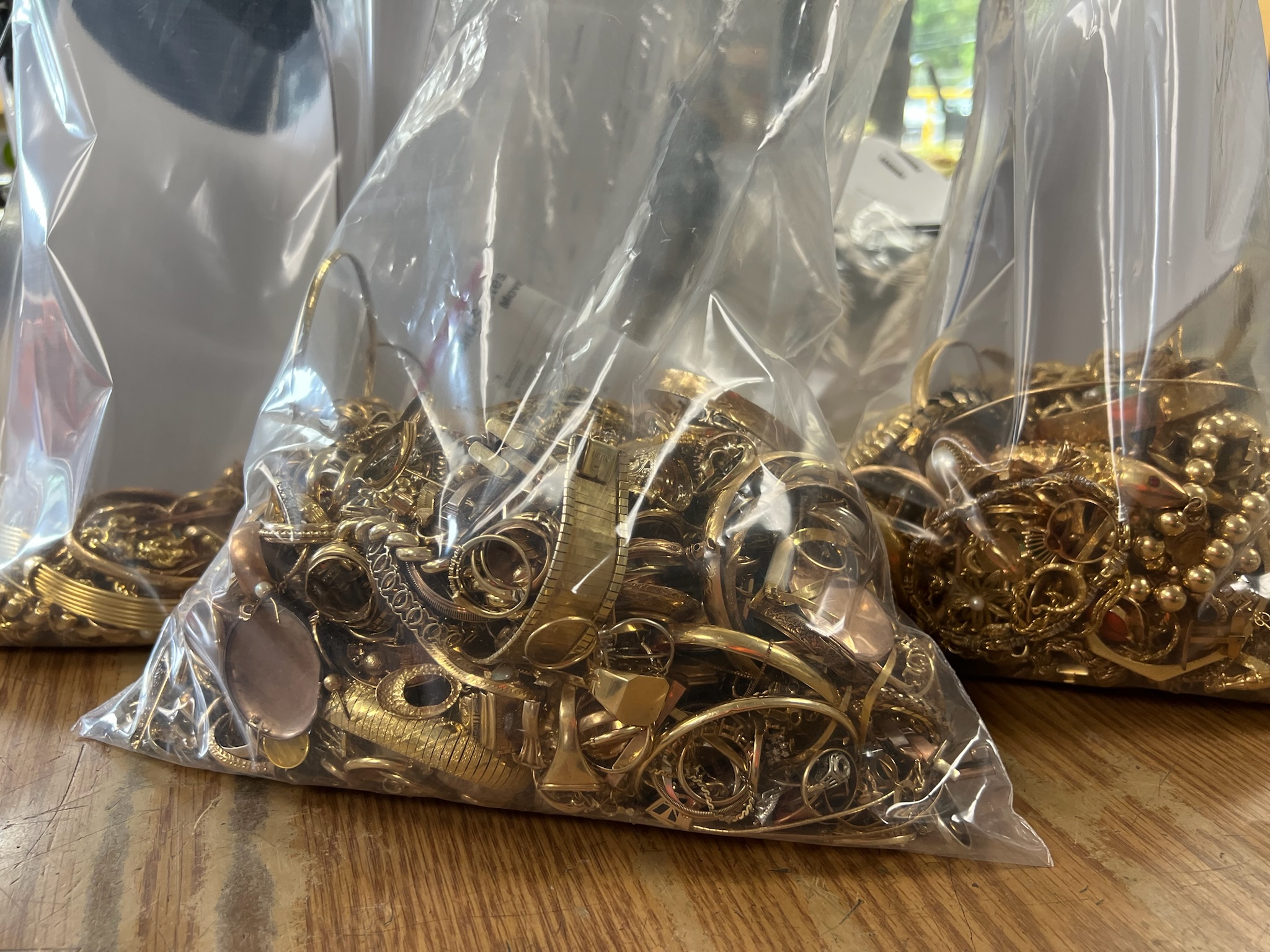 |
Taking time to separate karat gold can make it easier for customers to estimate anticipated returns based on metal purity and weight before the refining process begins. Organized lots also help streamline receiving and evaluation once materials arrive at the refinery. While Mid-States can process mixed precious metal lots, pre-sorted materials often help reduce handling time and create a more efficient refining experience overall. Check out our Karat Kalculator to determine your purity % and expected return based on today’s market price. |
Mid-States processes various types of precious metal and uses fire assay analysis to help provide precise evaluations of precious metal content.
Step 2: Remove Stones & Non-Metal Components
Before shipping scrap, whenever possible, jewelers and pawnbrokers should remove stones and non-precious components. While every item doesn’t need to be completely stripped down, removing unnecessary materials can help refiners process lots more efficiently and avoid contamination.
Common non-metal materials to remove include:
Reducing excess material also helps eliminate unnecessary processing weight that may impact refining efficiency. For clients interested in recovering gemstones, Mid-States also offers in-house diamond and gemstone recovery services as part of the refining process. | 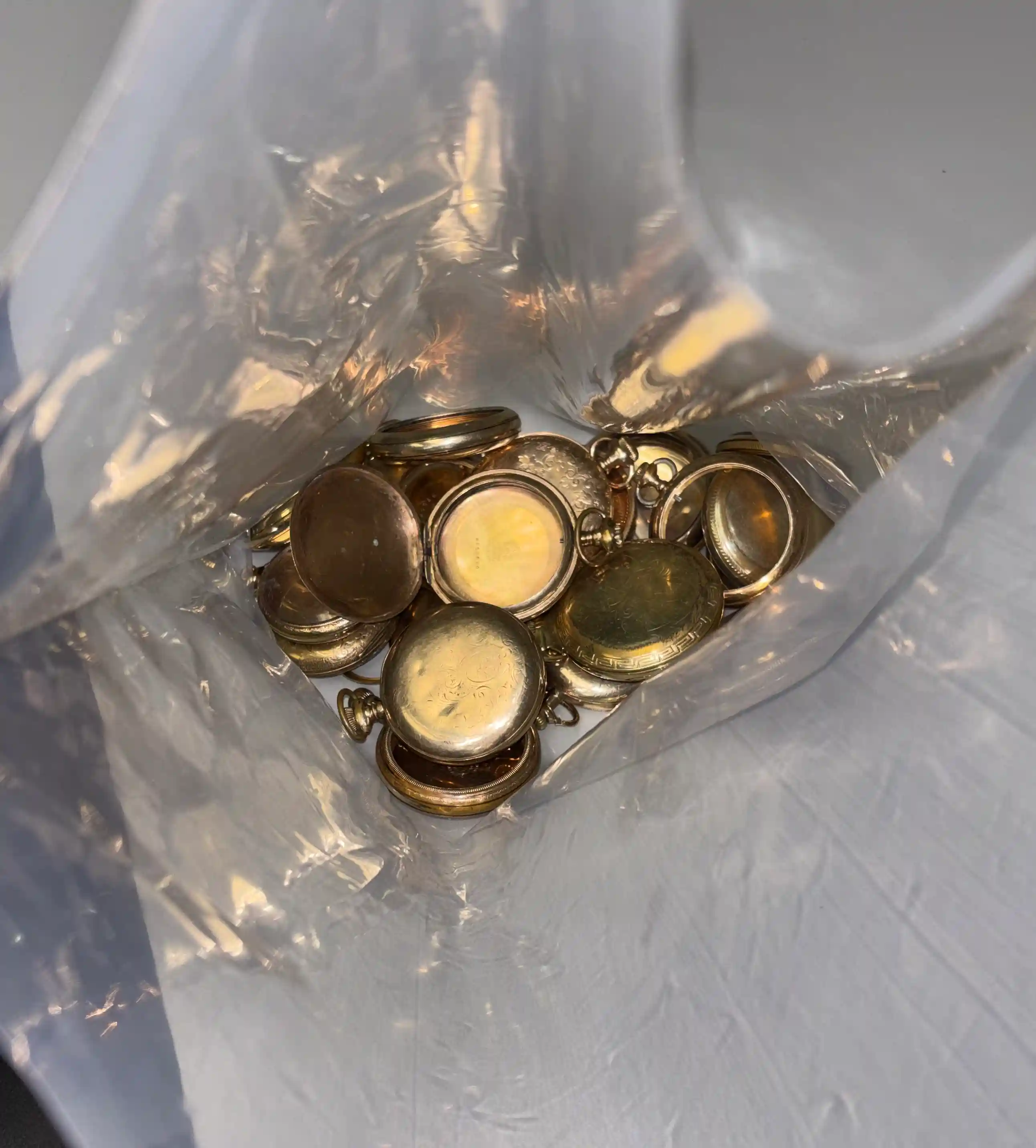 |
Step 3: Clean Scrap Before Shipment
| Some people may wonder how to clean gold scrap before sending it to a refiner. Fortunately, scrap doesn’t need to be polished or cosmetically cleaned. | |
Instead, focus on removing:
Cleaner material helps refiners process scrap more efficiently while supporting accurate analysis and reducing contamination risks. It’s also important not to mix heavily contaminated sweeps or filings with clean karat jewelry scrap. Separating cleaner material from heavily processed waste products, whenever possible, helps maintain refining consistency and accurate evaluation. | 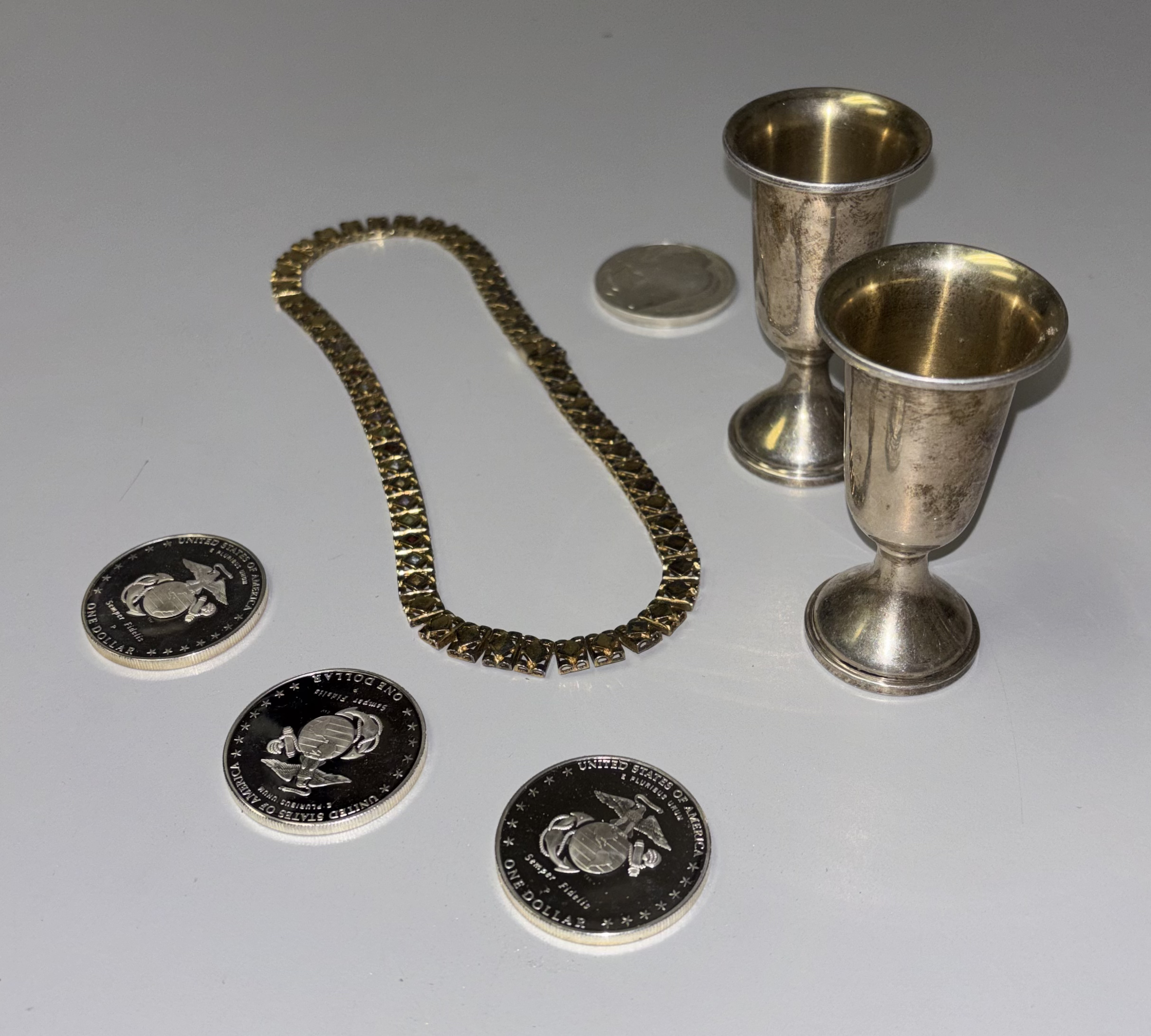
|
Mid-States emphasizes controlled refining procedures designed to minimize losses and maintain precise refining standards throughout processing. For general shipping and hazardous materials handling guidance, the U.S. Postal Service and UPS both provide useful packaging recommendations for valuable shipments. | |
Step 4: Weigh & Document Materials Accurately
Before shipping, jewelers and pawnbrokers should weigh accurately and document each lot separately by metal type or karat. Maintaining a simple packing list or inventory record can make it easier to track returns and compare settlement reports after refining.
Helpful documentation may include:
Accurate records help improve transparency and create a clearer chain of accountability throughout the refining process. Mid-States supports customers with transparent receiving, weighing, sampling, and documentation procedures designed to provide confidence and consistency from intake through final settlement. | 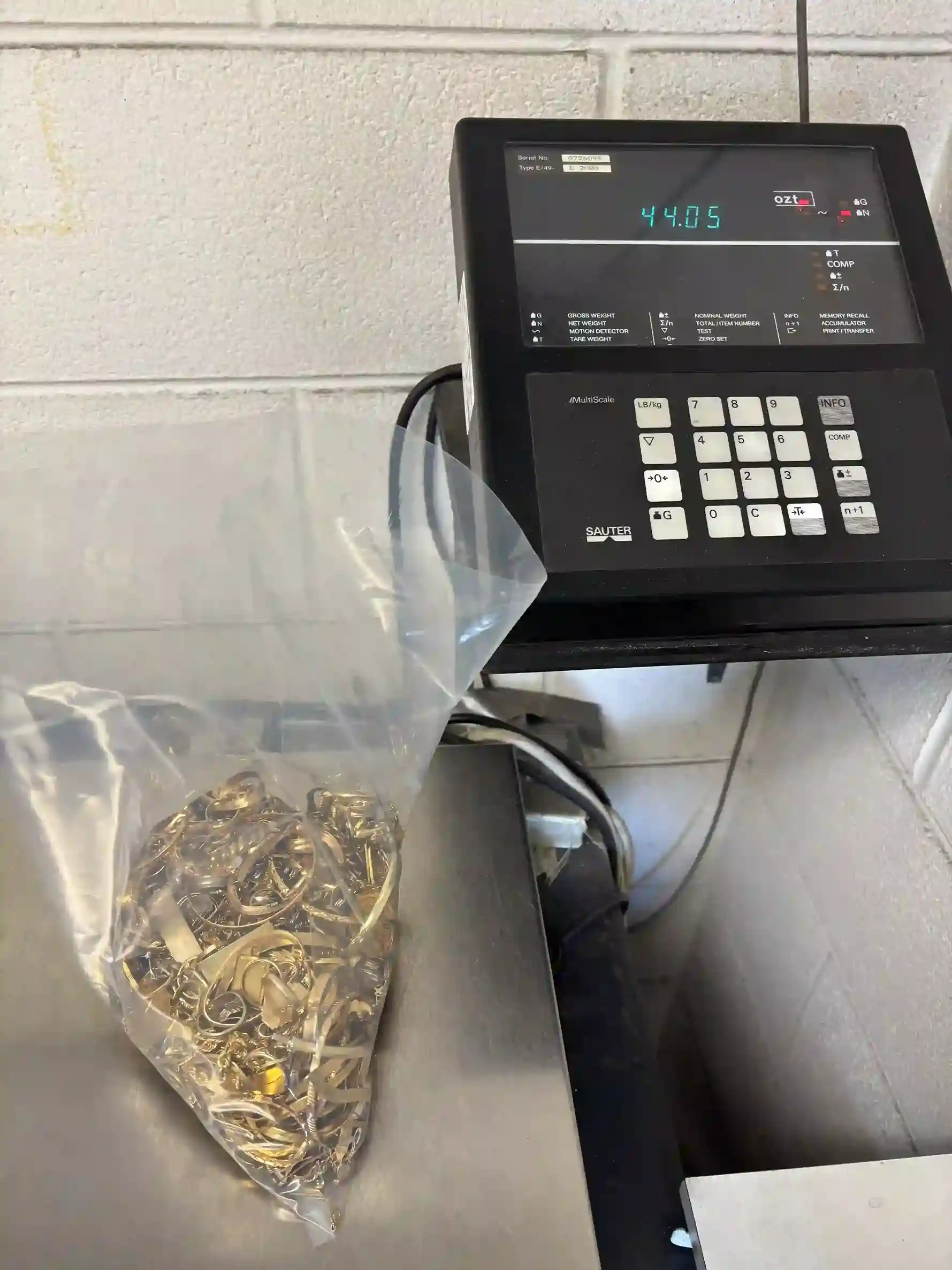 |
Now You are Ready to Melt
Proper gold scrap preparation doesn’t need to be overly technical or time-consuming. A little organization before shipment can improve efficiency, reduce contamination risks, and support accurate refining results.
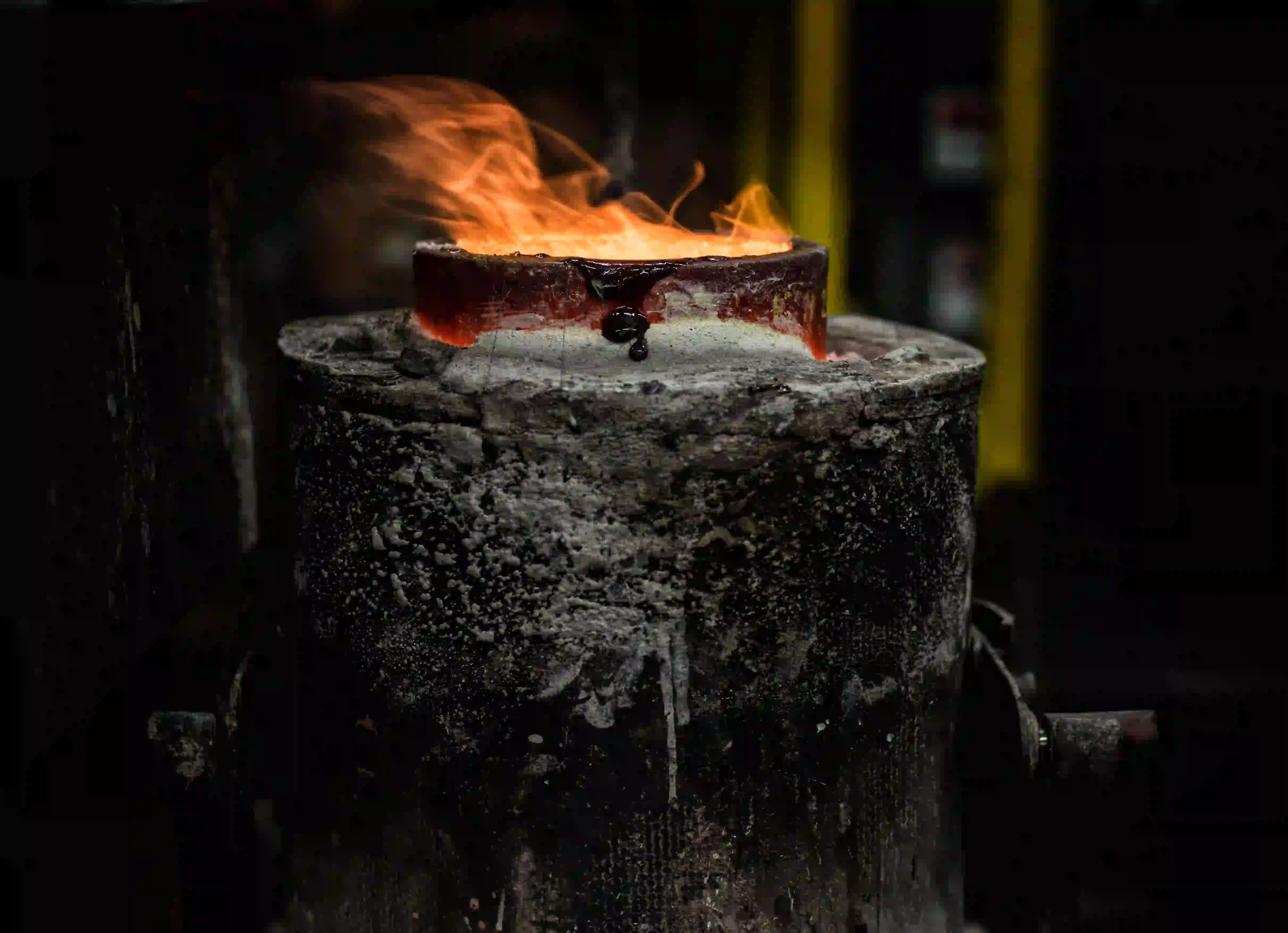
By following a few simple steps, jewelers and pawnbrokers can help streamline processing while maximizing the value of their precious metal scrap. Mid-States Recycling & Refining continues to support jewelers and pawnbrokers nationwide with transparent refining processes, accurate fire assay analysis, and decades of industry experience. Contact our team at (847) 298-0010 to speak with an expert today!


